
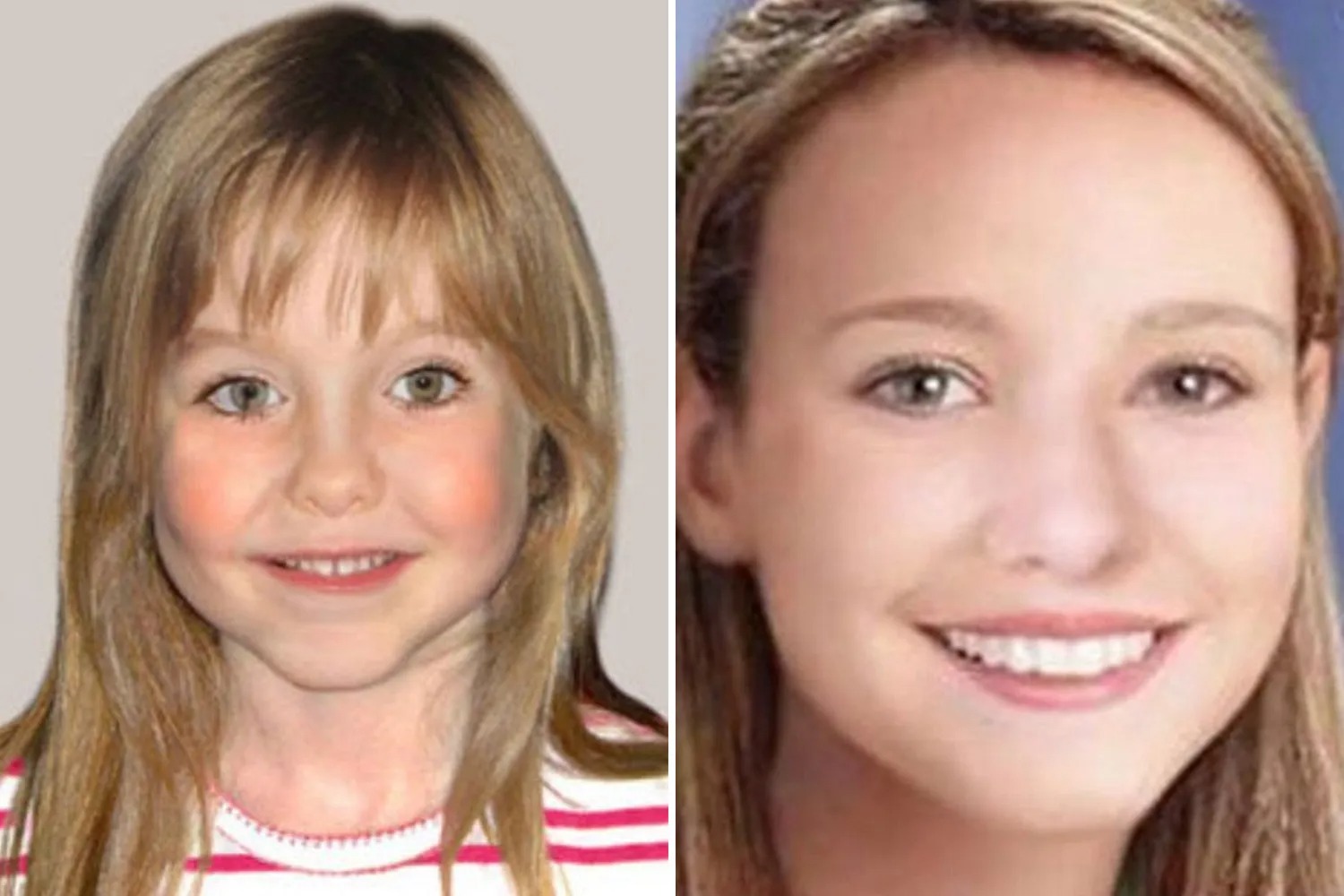
A sensational viral post circulating on social media platforms claims that a “21-year-old German girl” has come forward asserting she is Madeleine McCann, the British toddler who vanished in 2007. The story alleges her adoptive parents enforced a strict “digital blackout”—banning internet access, social media, smartphones, and news exposure throughout her life. According to the post, upon finally gaining web access, she reportedly unlocked “terrifying memories” of being trafficked to Germany, with promises of shocking details about her “adoption” hidden in comments.
This narrative, styled as a breaking news alert with phrases like “THEY BANNED HER FROM THE INTERNET HER WHOLE LIFE,” is entirely fabricated and appears designed to drive engagement through outrage and curiosity. No credible news outlets, police statements, or official sources report any such recent claim as of December 23, 2025. Searches across major databases, including recent updates on the Madeleine McCann case, yield no matches for a new German claimant involving a “digital blackout.”


The Madeleine McCann disappearance remains one of the most high-profile unsolved cases in modern history. On May 3, 2007, three-year-old Madeleine vanished from her family's holiday apartment in Praia da Luz, Portugal, while her parents, Kate and Gerry McCann, dined nearby. The case sparked global media frenzy, extensive searches, and ongoing investigations by Portuguese, British, and German authorities.

Over the years, the investigation has seen twists, including the identification of German convict Christian Brückner as a prime suspect in 2020. Brückner, convicted of unrelated crimes, was released from prison in September 2025 after serving a sentence for rape. German prosecutors maintain suspicions but lack charges in McCann's case. Recent searches in Portugal yielded no breakthroughs.
However, the case has also attracted numerous hoaxes and false claimants, exploiting the McCanns' enduring pain for attention or profit. The most notorious involved Julia Wandelt (also known as Julia Wendell or Julia Faustyna), a Polish woman who in 2023 gained viral fame by claiming to be Madeleine.
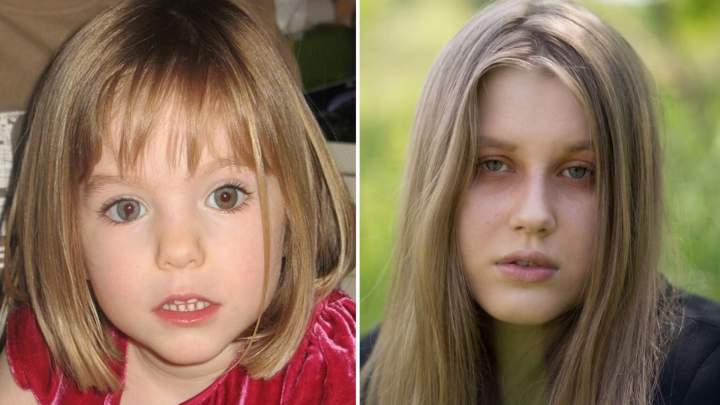
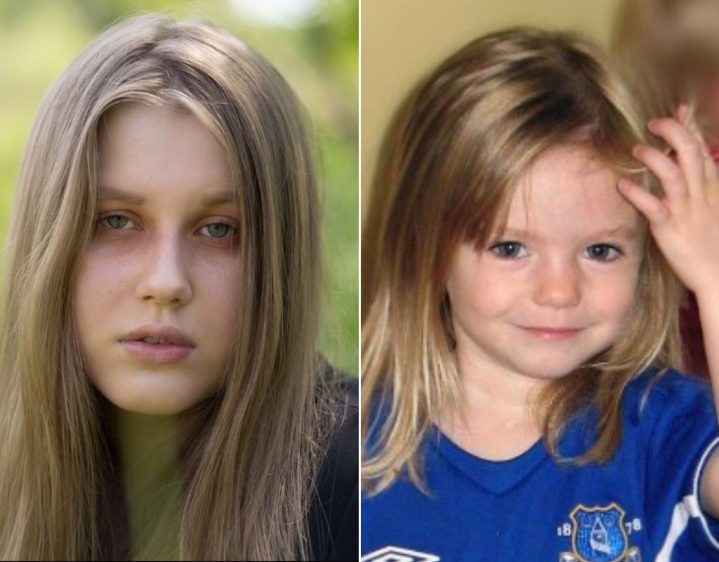
:max_bytes(150000):strip_icc():focal(749x0:751x2)/Julia-Faustyna-040423-5b96243f8a4441a6ba918ee846f22c5e.jpg)
Wandelt, then 21-22, posted comparisons of physical features—like a coloboma eye defect—and alleged childhood trauma, amassing millions of followers on Instagram under handles like @iammadeleinemccann. She appeared on Dr. Phil, solicited donations, and demanded DNA tests from the McCanns.
Multiple DNA tests conclusively proved she was not Madeleine, showing no familial link. Wandelt's claims extended to pretending to be other missing children, including Inga Gehricke (German) and Acacia Bishop (American). Her persistence led to harassment charges: she bombarded the McCanns with calls, messages, letters, and unannounced visits, including turning up at their home.
In 2025, Wandelt faced trial in the UK for stalking and harassment. In November, she was convicted of harassing the family (though acquitted of full stalking in some counts), resulting in a restraining order and potential deportation. Court evidence described her as an “emotional manipulator” and conspiracy theorist who used tools like ChatGPT to fabricate images.
The viral post's details—a German girl, age 21 (Madeleine would be 22 in 2025), adoptive parents, digital isolation, memories unlocked online—bear no resemblance to recent events. Early reports sometimes misidentified Wandelt as German due to alleged abuse links, but she is Polish. No “digital blackout” was part of her story; instead, she actively used social media to propagate claims.
This hoax fits a pattern of recycled misinformation. Similar false alerts resurface periodically, often laced with clickbait elements like “read the shocking truth in comments” to boost shares and scams. Experts warn such posts exploit public fascination while causing distress to the McCanns, who have endured nearly two decades of grief, false hopes, and intrusions.
Kate and Gerry McCann have repeatedly emphasized treating the case as a missing person investigation, funding Operation Grange through public support. They respond cautiously to claims, prioritizing verified leads.
Privacy advocates and missing persons organizations condemn these hoaxes, noting they divert resources and harm families. False claimants can delay real progress and desensitize the public to genuine tips.
As 2025 ends without resolution, the McCann case underscores digital age challenges: misinformation spreads faster than facts. Always verify sensational stories through reputable sources like BBC, Guardian, or official police updates.
The McCanns' statement post-Wandelt conviction: “We take no pleasure in the result,” highlighting their focus on finding Madeleine, not pursuing harassers.
Hope persists through ongoing probes, but viral fabrications like this serve only to exploit tragedy.