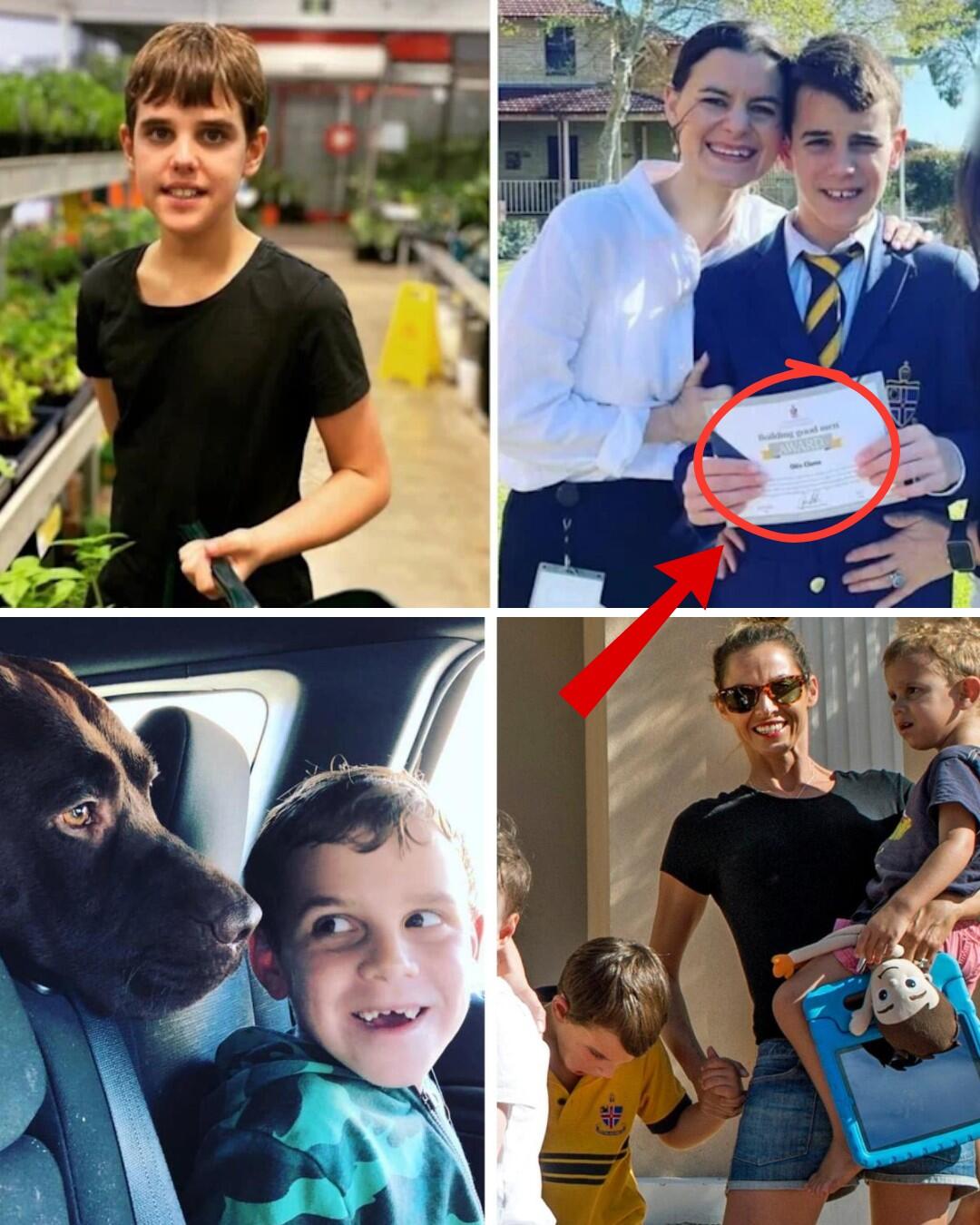
The tragic deaths of Leon and Otis Clune, along with their parents Jarrod Clune and Maiwenna Goasdoue, have sent shockwaves through Australia and the broader disability support community. The incident, discovered on Friday, January 30, 2026, in the affluent Perth suburb of Mosman Park, Western Australia, is being investigated as a suspected quadruple murder-suicide. A carer who regularly visited the family, unable to contact them during a scheduled visit, found a chilling note on the front door instructing not to enter and to call police. This discovery led to the grim finding of the four family members and their pets—a dog and a cat—deceased inside the home.
Leon, 16, and Otis, 14, both lived with severe, non-verbal autism and significant health challenges. Their parents, Jarrod (50) and Maiwenna (known as Mai, 49), were their primary carers, often described by those close to them as dedicated and fiercely loving advocates. The family had reportedly faced immense pressures, including extreme exhaustion, sleep deprivation, and challenges in accessing adequate support. Reports indicate that their funding under Australia’s National Disability Insurance Scheme (NDIS) may have been recently reduced or insufficient, contributing to a sense of desperation and isolation.
Maddie Page, who worked as an autism mentor and support worker for the boys over more than 10 years, has been one of the most prominent voices in the aftermath. In heartfelt tributes shared on social media, she described the profound impact Leon and Otis had on her life. She wrote that the boys “will always hold a special place in my heart—they taught me to think outside the box when it came to working with autism and reminded me that communication is so much more than words.” Page emphasized the parents’ unwavering commitment, noting their “consistent dedication and deep love” for their sons, and how they fought tirelessly to ensure Leon and Otis felt “seen and heard in this world.”
While the exact details of Page’s more recent statements—such as any emotional breakdown or revelations about “what she witnessed behind closed doors”—appear amplified in some social media posts and clickbait-style headlines (including the phrase “I Can’t Stay Silent Anymore”), her public comments consistently highlight the family’s love amid overwhelming difficulties. She has suggested that the parents may have felt they “had no other choice” due to systemic failures, and she has directly criticized the NDIS for letting the family down, urging the scheme to “do better.” Page portrayed the parents as the boys’ “biggest, fiercest supporters,” even as the family navigated “extreme difficulty and countless obstacles.”
The tragedy has sparked intense debate about the NDIS, Australia’s primary mechanism for providing disability support. Friends and advocates close to the family claim the funding cuts left them without sufficient resources to manage the boys’ high needs, including behaviors described as challenging. This has fueled calls for reform, with some arguing that better respite care, financial aid, and mental health support for carers could have prevented such an outcome. Disability Discrimination Commissioner Rosemary Kayess has condemned any narrative that frames the deaths as an understandable consequence of autism or caregiving burdens, calling it “dangerous” and insisting that disability should never justify violence or murder. She and others have pushed for a coronial inquest to fully examine the circumstances.
Tributes to Leon and Otis have poured in from the autism community, educators, and friends. School newsletters from their earlier years reportedly painted pictures of innocent, endearing childhood moments despite their challenges. One friend from the Perth autism support network recalled Mai’s desperation in seeking help for her sons’ “extreme behaviors.” A memorial service was held in Mosman Park, reflecting the community’s grief.
This case has highlighted the broader crisis facing families caring for children with high-support-needs disabilities. Carers often experience burnout, isolation, and inadequate systemic backing, leading to tragic breaking points. Advocates stress that while the love within the Clune family was evident, the lack of sufficient external support—financial, practical, and emotional—created an unsustainable environment. The Australian Human Rights Commission and others have echoed calls for systemic change to prevent future tragedies.
The full truth of what occurred inside the home remains under police investigation, with no confirmed cause of death publicly detailed beyond the absence of apparent violence or weapons. As the community mourns Leon and Otis—two boys remembered for their unique ways of connecting and the lessons they imparted—the spotlight turns to preventing such devastation through stronger safeguards for disabled individuals and their families.
In the wake of this unspeakable loss, Maddie Page’s words serve as both a tribute and a plea: the love was real, the struggles were immense, and the system must do more to ensure no family feels trapped with “no way out.” The deaths of the Clune family underscore a painful reality—that even in loving homes, unchecked pressures can lead to irreversible harm. Australia must reflect deeply and act decisively to honor their memory by building a more supportive future for those in similar situations.
Để lại một bình luận