
I Signed the Divorce Papers Without a Single Argument
No accusations. No tears. No last speech.
I packed one suitcase, left before sunrise, and vanished overseas like someone who’d lost everything.
That’s what they thought.
I let them.
My name is Victoria Langford, and for ten years I was Mrs. Michael Langford—quiet, supportive, the perfect corporate wife who smiled at galas and hosted holiday parties while building something no one noticed.
Not even him.
PART 1 — THE SUITCASE
When Michael cheated, I didn’t confront him. I didn’t beg. I didn’t fight for explanations that wouldn’t change the truth. I sat across from him in our lawyer’s sleek downtown Chicago office, signed my name on every dotted line, stood up, and walked out of a ten-year marriage like it was already over in my heart.
By dawn, I was gone—on a one-way flight to Lisbon, then a train to a small coastal town in Portugal where no one knew my name.
To friends, family, even his colleagues, the story was simple: Victoria had been replaced. The loyal wife blindsided by a younger, flashier model. Humiliated, heartbroken, she fled quietly to Europe to “heal,” to save what little dignity she had left.
A month later, Michael married her.
Lila Langford—née Carter—the 28-year-old marketing coordinator he’d sworn was “just a coworker.” The one who started showing up to company dinners a little too confidently, touching his arm a little too often, long before the ink on our divorce papers was dry.
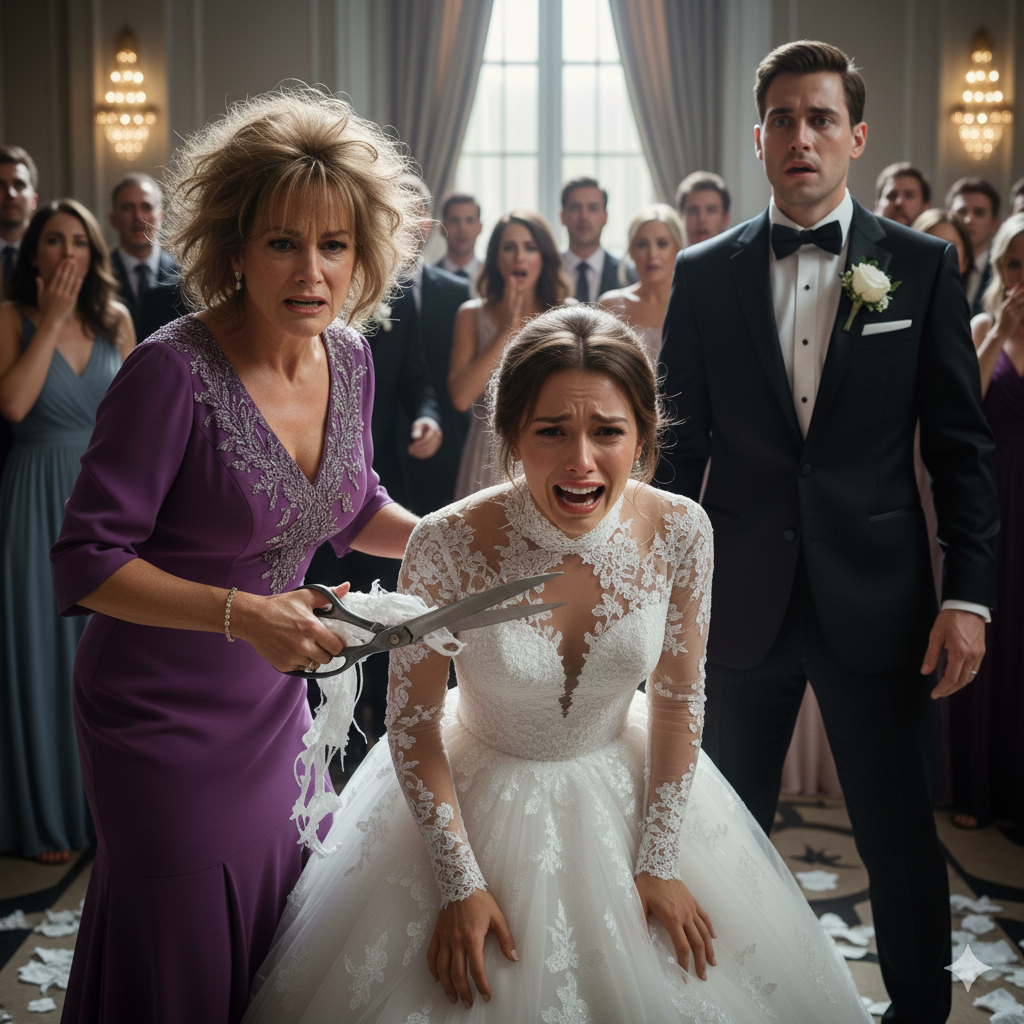
The wedding was obscene in its perfection. Held at a private estate outside Chicago—imported peonies from Ecuador, champagne towers, a string quartet playing Vivaldi, five hundred guests who mattered in finance and real estate. A celebration designed to announce to the world that Michael had upgraded.
I wasn’t invited.
Of course I wasn’t.
But someone else was.
At the reception, laughter flowed easily—until one guest, already drunk on vintage Dom Pérignon and arrogance, laughed too loudly near the bar and said:
“So he finally upgraded, huh? From the old model to this one?”
Michael smiled, arm around Lila’s waist, basking in the congratulations.
Then another voice cut in. Calm. Older. Precise.
“You mean the wife who owns the company?”
The room shifted.
Michael’s smile didn’t fade—it froze. Like his face had forgotten how to move.
Chairs scraped. Someone laughed nervously. Someone else whispered, “Wait… what?”
Because what Michael hadn’t realized—what he wouldn’t realize until it was far too late—was that I didn’t leave empty-handed.
Langford Capital—the investment firm he proudly called “his” at every dinner party, every board meeting, every toast—was never his.
It was mine.
Founded with the inheritance from my grandfather, incorporated under my name, structured through trusts and holding companies that bore my signature alone. Michael was CEO, yes. The face. The charmer. The one who shook hands and closed deals.
But I was the owner.
Every share.
Every decision.
Every dollar.
He’d never bothered to read the fine print. Why would he? I handled the “boring paperwork.” I was the supportive wife, after all.
When we divorced, I kept what was mine.
He kept the title.
Until the board meeting scheduled for the Monday after the wedding.
That night, as the reception wound down and guests began filtering out, my phone rang in my quiet apartment overlooking the Atlantic.
Once.
Twice.
Again.
Michael.
I watched it vibrate on the wooden table, lit by the soft glow of a foreign city’s streetlights.
I didn’t answer.
I poured myself a glass of vinho verde, stepped onto the balcony, and listened to the waves.
Some truths don’t arrive early enough to save a marriage.
They arrive later—when escape is impossible.
PART 2 — THE BOARDROOM
Monday morning, 9:00 a.m. sharp.
The boardroom at Langford Capital was packed. All twelve members seated around the mahogany table that had cost more than most people’s houses.
Michael walked in late—still in his post-honeymoon glow—expecting applause, congratulations, maybe a toast with the good scotch.
Instead, he found silence.
And me.
Seated at the head of the table.
In the chair that had always been his.
I was dressed simply—black blazer, white silk blouse, hair pulled back. No wedding ring. No apology in my eyes.
“Good morning,” I said calmly, as if I’d never left.
The general counsel—Margaret, a woman who’d been my grandfather’s protégé—stood.
“Effective immediately,” she announced, “Michael Langford is removed as CEO and chairman of the board. Per the founding bylaws and controlling shareholder agreement—which Victoria Langford has held sole authority over since inception—this meeting is called to formalize the transition.”
Michael laughed—nervous, disbelieving.
“This is a joke. Victoria doesn’t even—”
“I do,” I interrupted quietly.
I slid a folder across the table.
Inside: the original incorporation documents. Trust agreements. My grandfather’s will. Every signature, every clause, every line that proved beyond doubt that Langford Capital had always been mine.
He’d been an employee.
A well-paid one.
But an employee.
His face cycled through shock, rage, realization.
“You… you planned this?”
“No,” I said. “I built this. Long before you decided I was replaceable.”
The vote was unanimous.
Security escorted him out twenty minutes later.
No severance.
No golden parachute.
Just a nondisclosure agreement and a quiet exit.
Lila called me once—screaming, crying, threatening lawsuits.
I let it go to voicemail.
The company thrived under new leadership—mine.
Michael’s name disappeared from the letterhead, the building, the website.
He tried to fight it—lawyers, media leaks, claims of “emotional distress.”
All dismissed.
Quietly.
Efficiently.
A year later, I read in the society pages that Lila had filed for divorce.
Michael was living in a one-bedroom in the suburbs, working as a consultant—for a fraction of his old salary.
I never went back to Chicago.
I stayed in Portugal.
Built a smaller firm.
Planted a garden.
Adopted a dog.
Some nights, I walk the beach at sunset and think of the woman I used to be—the one who signed those papers without a fight.
She didn’t lose everything.
She reclaimed it.
And the man who thought he’d upgraded?
He learned the difference between owning a title…
…and owning the game.
Some suitcases aren’t for running away.
They’re for carrying home what was always yours.