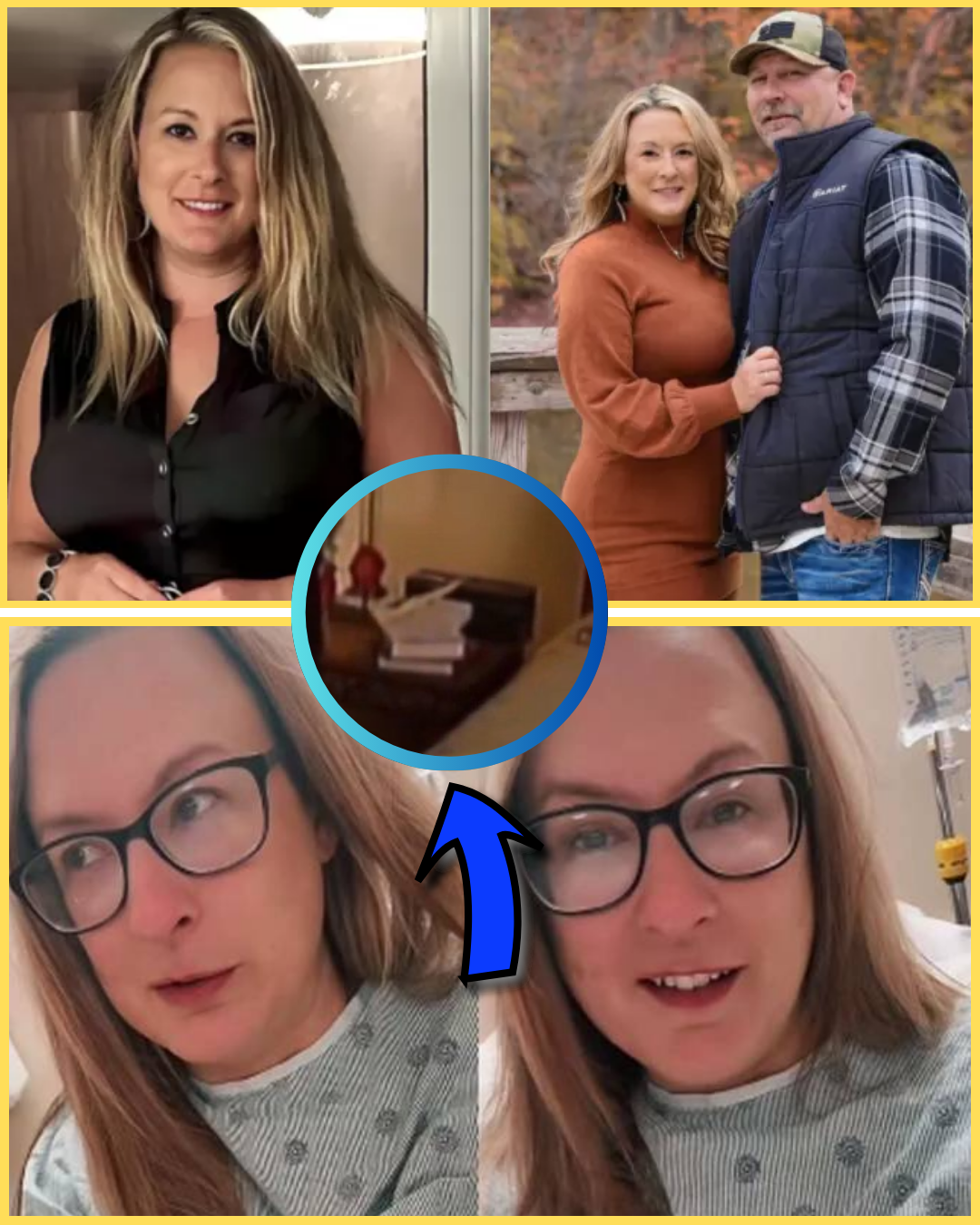
In the wake of the heartbreaking death of 47-year-old Ohio TikTok influencer Rachel Tussey following complications from her “mommy makeover” tummy tuck, a new detail has emerged that has left online communities stunned. Family members reportedly discovered a personal notebook among her belongings after her passing on March 17 or 18, 2026. Inside, amid reflections on her life, motherhood, and excitement for the procedure, was a short handwritten passage about cosmetic surgery that now feels hauntingly prescient.
The note, which has been shared widely on social media platforms and discussed in comments sections, reportedly read something along the lines of: “Going under for a tuck—praying it’s just a quick fix and I wake up feeling new. But if something goes wrong in recovery, let it be known I trusted the process too much. God’s plan, but stay vigilant.” (Variations of the exact wording circulate, with some versions emphasizing fears of pain meds or oxygen issues post-op.)
This passage has gone viral because of its apparent coincidence with the events that unfolded. Tussey underwent the abdominoplasty on February 25, 2026, performed by Dr. Shahryar Tork at a Cincinnati surgical center. She documented her journey enthusiastically on TikTok under @midlifeunmuted, posting videos expressing joy, nerves, and faith: “I know God’s got my back. Let’s do this.” In one pre-surgery clip, she wore a hospital gown and spoke directly to followers about waiting years for this confidence boost after raising three children.
Post-surgery, however, tragedy struck swiftly. According to her husband Jeremy Tussey’s emotional TikTok update on March 3, Rachel became unresponsive shortly after receiving pain medication (including Dilaudid and fentanyl) in recovery. Her face changed color, she stopped responding, and despite interventions like Narcan and CPR, she went without oxygen for over six minutes. This led to a severe anoxic brain injury. She was rushed to a hospital, placed on life support, declared brain-dead, and eventually transitioned to hospice before passing away.
The notebook’s discovery has amplified discussions about foreshadowing, intuition, and the real dangers of elective procedures. Many online commentators point out how Tussey’s words seem to eerily anticipate the recovery-room crisis—particularly concerns around medication response and monitoring. While the family has not publicly confirmed or released the full notebook contents (likely to protect privacy amid an ongoing review by attorney Bernard Layne), screenshots and paraphrased shares have spread rapidly, fueling speculation and tributes.
Dr. Tork has publicly expressed heartbreak, stating he last saw Rachel “awake and in excellent condition” in recovery before leaving for the day. He severed ties with the facility and offered condolences while cooperating with inquiries. The incident underscores known risks of abdominoplasty, including adverse reactions to anesthesia, respiratory depression from opioids, hypoxia, and the challenges of outpatient surgical centers where full emergency staffing may not always be immediate.
Tussey’s story, originally shared to empower midlife women, has instead sparked broader conversations about informed consent, choosing accredited facilities with 24/7 monitoring capabilities, and the pressure of social media to pursue cosmetic enhancements. Her final videos, filled with optimism, contrast sharply with the outcome, making the notebook passage feel like an unintended warning from beyond.
Jeremy Tussey described his wife as “an amazing wife, mother, and person who touched so many lives” in a GoFundMe update. The fundraiser supports their three children and mounting expenses. As the family grieves and seeks answers, this small, personal artifact has become a poignant symbol—reminding everyone that even routine choices can carry unforeseen consequences.
The notebook note, though brief, resonates deeply in hindsight: a mother’s quiet reflection turned tragic prophecy. It serves as a somber call for caution in an era where cosmetic procedures are often portrayed as simple and transformative.
Để lại một bình luận