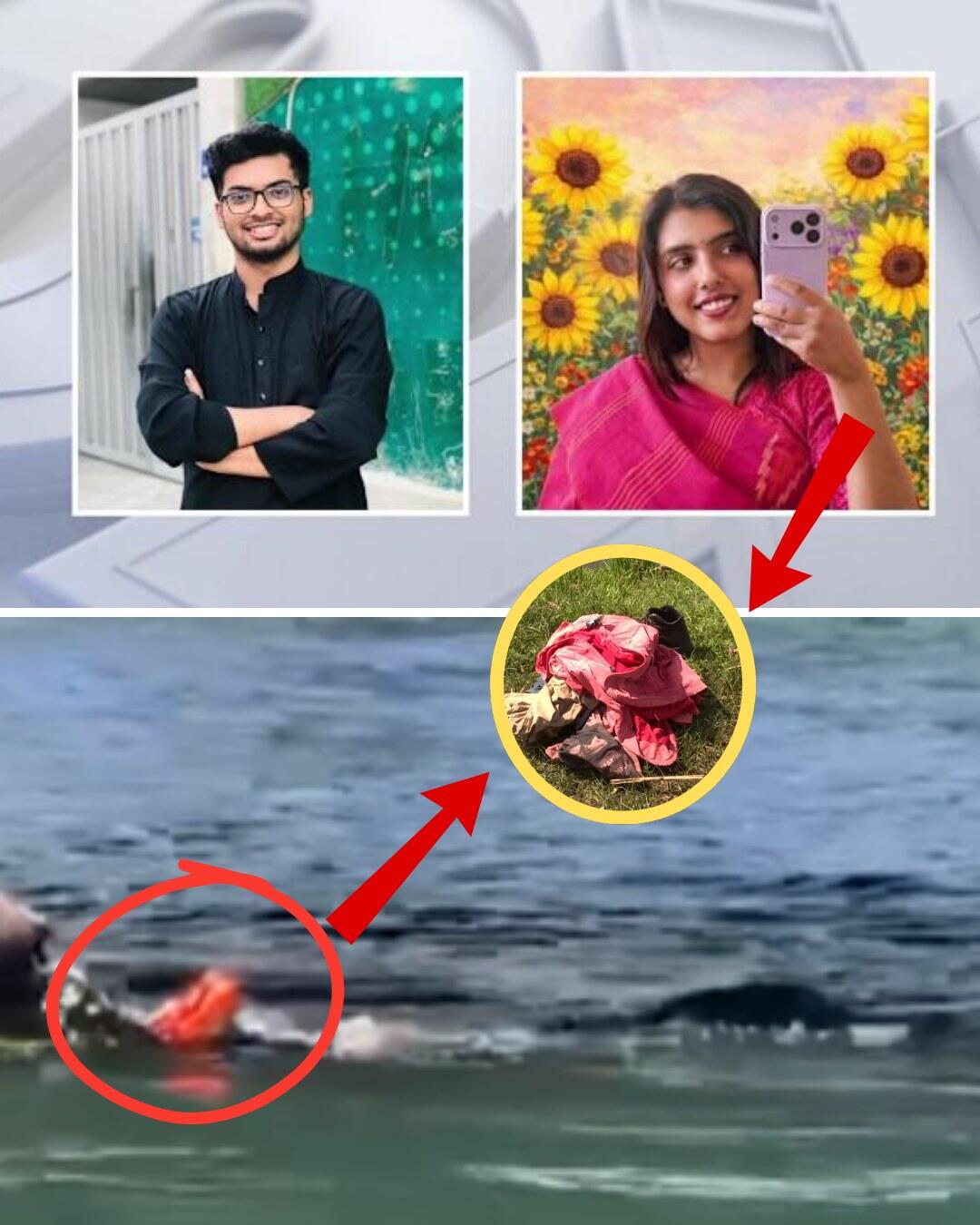
The double murder of University of South Florida (USF) doctoral students Zamil Limon and Nahida Bristy in April 2026 shocked the Tampa Bay academic community and highlighted vulnerabilities in off-campus student housing, roommate assignments, and mental health support systems. Hisham Abugharbieh, 26, Limon’s roommate and a former USF student, faces two counts of first-degree premeditated murder with a weapon in their deaths, along with additional charges including unlawfully moving a dead body, failure to report a death, tampering with evidence, false imprisonment, and battery.
As the investigation unfolded rapidly in late April, authorities recovered Limon’s remains on April 24 near the Howard Frankland Bridge, followed by additional human remains on or around April 26 that were later identified as Bristy’s. Both bodies showed multiple stab wounds and had been disposed of in trash bags. Abugharbieh was arrested after a standoff at a family residence. Prosecutors have built a case involving digital evidence from ChatGPT queries, blood evidence in the shared apartment, and suspicious behavioral patterns. Yet certain corners of online discourse—particularly sensational social media posts—have pushed conspiracy-flavored narratives, including claims centering on “evidence in Nahida Bristy’s jacket pocket” that supposedly contradicts Abugharbieh’s statements and “reveals everything.”
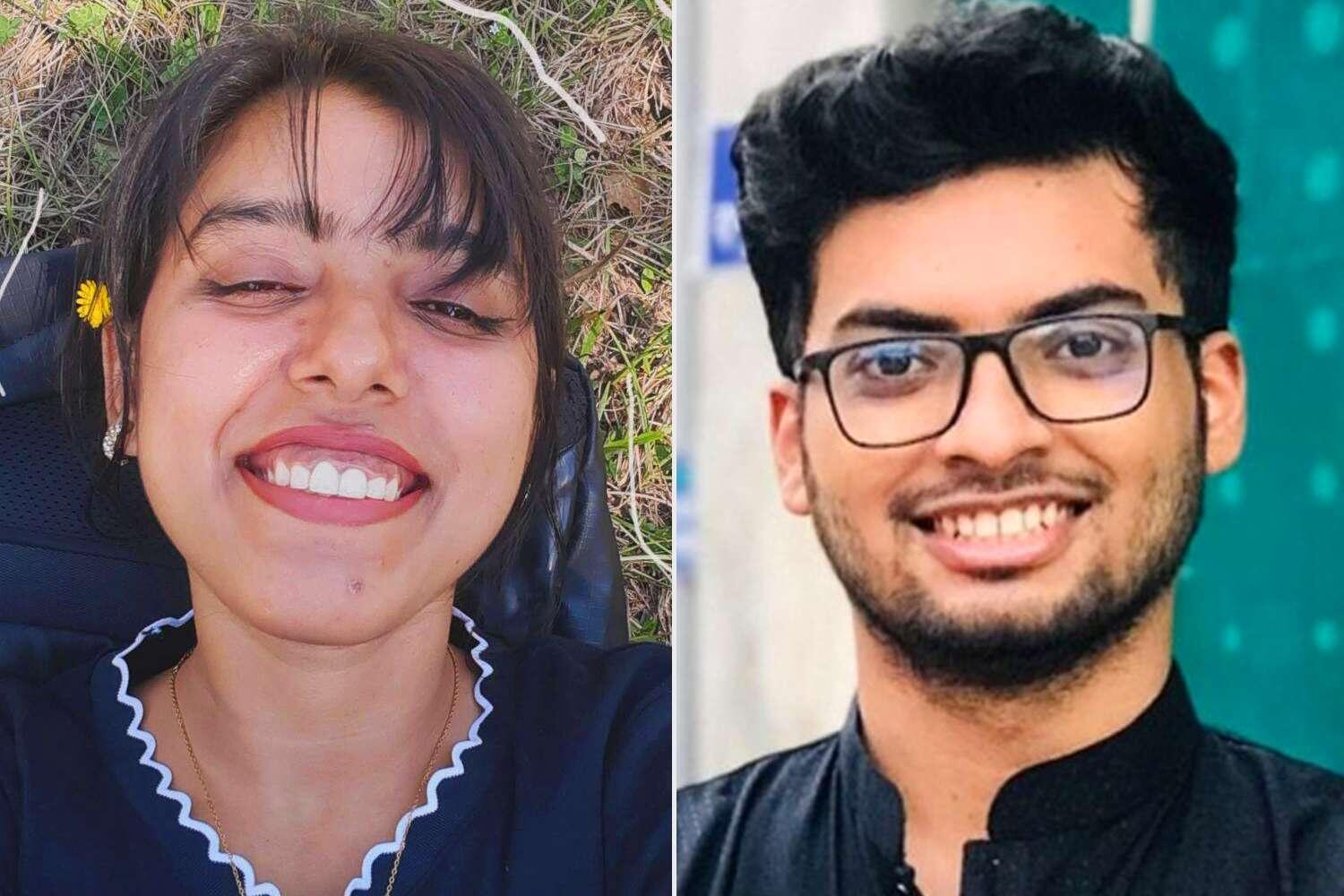
This article examines the available facts from law enforcement affidavits, court records, news reporting, and public statements. It assesses whether physical evidence recovered with Bristy’s remains or clothing, including any items from a jacket pocket, undermines Abugharbieh’s account or points to a different perpetrator. In short: while forensic details are still emerging and full trial evidence has not been presented, the core physical and digital trail strongly implicates Abugharbieh. Claims that “the truth is in the pocket” appear to rest more on speculation or unverified social media amplification than on released official evidence.
Zamil Limon, 27, and Nahida Bristy (also referred to as Nahida Sultana Bristy), 27, were both Bangladeshi nationals pursuing doctoral degrees at USF. Limon studied geography and environmental science policy; Bristy was in chemical engineering. Friends and family described them as close—some relatives said they were considering marriage—and as dedicated students building lives far from home. They were last seen on April 16, 2026: Limon at the off-campus apartment he shared with Abugharbieh near the USF Tampa campus, and Bristy shortly afterward at a campus science building. They were reported missing the following day.
Hisham Saleh Abugharbieh, a 26-year-old U.S.-born citizen, had lived with Limon. Court filings and family statements indicate prior concerning behavior. In 2023, Abugharbieh’s younger brother obtained a protective order against him, citing erratic conduct such as screaming at night and claiming to be God. His mother reportedly described a history of violence and anger management issues. Abugharbieh was not enrolled as a current student at the time of the alleged crimes.
On April 24, after Limon’s remains were discovered in trash bags near the Howard Frankland Bridge, Hillsborough County Sheriff’s Office (HCSO) deputies arrested Abugharbieh following a brief standoff. He was initially charged with offenses related to moving a body and tampering; prosecutors later added the two premeditated murder counts. A judge ordered him held without bond on April 28, citing the violent nature of the crimes and risk to the community. Abugharbieh’s attorney has not publicly detailed a defense theory at this early stage, and any “testimony” referenced in viral posts likely refers to statements given during initial interviews or a closed-door proceeding rather than sworn trial testimony.
Limon’s body was found with multiple stab wounds. Additional remains recovered days later—also in or near trash bags and showing similar trauma—were identified as Bristy’s. Court documents indicate the second body was clothed in attire matching what Bristy wore in her last known surveillance footage. Affidavits mention “blood evidence” linking both victims to items or locations associated with the apartment. Specifically, reports reference a significant volume of blood in the shared residence, with DNA consistent with Bristy (who did not live there) found on surfaces such as a kitchen floor mat.
Viral claims have fixated on “evidence found in Nahida Bristy’s jacket pocket.” Some social media posts and unverified Facebook/Instagram content allege a note, document, or item in her clothing that supposedly exposes inconsistencies in Abugharbieh’s account—perhaps a folded paper seen by a witness earlier that day, or forensic traces pointing elsewhere. Official mainstream reporting as of May 1, 2026, does not confirm any such exonerating “pocket evidence” that clears Abugharbieh or implicates a third party. Instead, affidavits emphasize clothing consistency, blood transfer, and the disposal method as corroborative of the charged suspect.
Forensic processing of clothing, DNA, and trace evidence from the bodies and the apartment continues. Prosecutors have referenced blood on items demonstrating the “presence of both” victims in contexts tied to Abugharbieh’s residence or vehicle. No publicly released document describes a dramatic “jacket pocket” revelation that flips the narrative. Sensational headlines or translated posts (some appearing in non-English networks) claiming “the truth is in the pocket” or “don’t believe his testimony” often lack sourcing to court filings and read as clickbait or conspiracy framing rather than verified updates from HCSO or the State Attorney’s Office.
One of the more striking elements of the pretrial detention report is Abugharbieh’s alleged interactions with ChatGPT in the days surrounding the disappearances. Prosecutors say that roughly three days before Limon and Bristy went missing, he queried the AI about placing a human body in a black garbage bag and throwing it in a dumpster. When ChatGPT responded that the idea “sounded dangerous,” he reportedly followed up with “How would they find out?” Other queries allegedly included changing a vehicle identification number (VIN), keeping a gun at home without a license, whether neighbors would hear a gunshot, and survival rates from head wounds. On April 23, he reportedly asked what “missing endangered adult” meant.
These queries, if admitted at trial, could be powerful circumstantial evidence of premeditation and consciousness of guilt. OpenAI has faced scrutiny in high-profile cases where its tool was used for research into criminal acts, though the company typically emphasizes safety guardrails. Florida authorities have reportedly examined the role of AI in this case. Abugharbieh also allegedly purchased trash bags, duct tape, and cleaning supplies in the period leading up to April 16.
Abugharbieh reportedly gave Limon and Bristy a ride from Tampa to Clearwater on the day they were last seen. His account of events reportedly contains gaps, according to some reporting on interviews or closed proceedings. Viral posts amplify these “gaps in his two-hour account,” suggesting contradictions that a supposed jacket-pocket item would resolve. Without access to the full unredacted affidavits or testimony transcripts, it is impossible to verify every detail, but law enforcement’s decision to charge premeditated murder indicates they believe the timeline, physical evidence, and digital trail align against him.
The case has sparked discussion at USF about off-campus housing practices. Limon and Abugharbieh were assigned or ended up as roommates through the Avalon Heights complex, and some students and families have questioned whether warning signs—prior protective orders, reported anger issues—were adequately considered. Friends of the victims described the university community as a “safe place” for international students far from family; the betrayal by a roommate has deepened the trauma.
Family members of Limon and Bristy have spoken publicly, expressing shock and calling for accountability. Some have noted missed opportunities for intervention. Abugharbieh’s own family reportedly feels shame and has cooperated to varying degrees. The swift recovery of remains and charges reflects aggressive investigative work by HCSO, including searches under bridges and coordination with Pinellas County authorities.
The phrase “The truth is in the pocket: Don’t believe Hisham Abugharbieh’s testimony; the evidence found in Nahida Bristy’s jacket pocket is what reveals everything” appears to originate from or be amplified by social media, possibly in non-English communities or sensational true-crime pages. Some posts reference a “12-word note,” a “folded document” Bristy was seen holding, or DNA/forensic traces in clothing found in previously searched areas. A witness allegedly saw Bristy with a paper near the science building that day, and university records supposedly contain no matching official document.
However, as of the latest reporting on May 1, 2026, authorities have not publicly released or confirmed any single item from a jacket pocket that exonerates Abugharbieh or proves an alternative theory. Clothing and personal effects are standard in homicide forensics; blood, DNA transfer, fibers, and trace evidence on them can link victims to a suspect’s environment or vehicle. If a note or item existed that dramatically altered the case, prosecutors or defense counsel would likely have addressed it in bond hearings or public filings—yet the focus remains on the ChatGPT queries, blood in the apartment, disposal methods, and timeline.
Sensational claims often emerge in high-profile cases, especially those involving international students or cross-cultural elements. They can spread rapidly on platforms like Facebook, Instagram, and X before facts are clarified. In this instance, the “pocket” narrative seems designed to cast doubt on the official investigation without providing verifiable sourcing. Until the medical examiner’s full reports, complete forensic results, and trial evidence are presented, speculation about a singular “revealing” item risks misleading the public and the victims’ families.
Abugharbieh remains in custody without bond. A status conference has been held, and the case will proceed through discovery, where defense attorneys can challenge the admissibility of ChatGPT logs, statements, and forensic links. The medical examiner’s determinations on cause and manner of death for both victims will be critical. Any additional digital forensics—phone records, vehicle data, surveillance—could further solidify or complicate the prosecution’s timeline.
For the families of Limon and Bristy, justice means a thorough, evidence-based process rather than viral theories. Both students represented the aspirations of many international scholars: rigorous research, community building, and a brighter future. Their loss underscores the need for better mental health screening in shared housing, stronger roommate vetting, and campus safety protocols.
The “truth,” ultimately, will emerge not from a single pocket or sensational post, but from the cumulative weight of physical evidence, digital records, witness statements, and forensic science tested in court. While Abugharbieh is presumed innocent until proven guilty, the publicly available facts—stab wounds, trash-bag disposal, blood in the apartment tied to a non-resident victim, and incriminating AI queries—paint a coherent and damning picture that investigators and prosecutors have pursued aggressively.
Claims urging the public to “don’t believe his testimony” because of jacket-pocket evidence currently lack substantiation in official channels. As more details are unsealed, the focus should remain on verifiable facts rather than unconfirmed social media bombshells. The victims deserve a clear-eyed search for justice, not distraction by conspiracy.
Để lại một bình luận