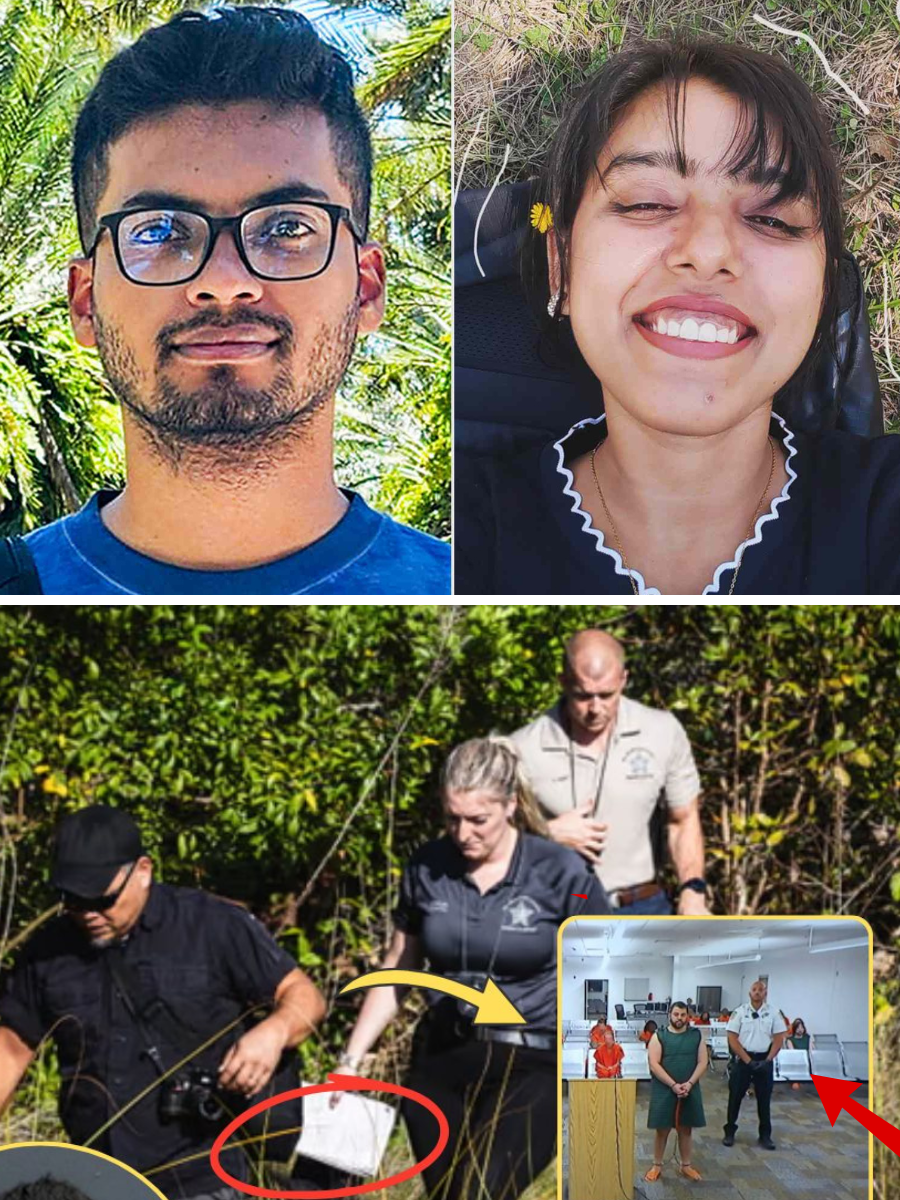
The double murder case involving University of South Florida (USF) doctoral students Zamil Limon and Nahida Bristy continues to generate intense public interest and online speculation in late April and early May 2026. Hisham Abugharbieh, Limon’s roommate, faces two counts of first-degree premeditated murder with a weapon, along with charges for tampering with evidence, unlawfully moving a dead body, failure to report a death, false imprisonment, and battery. Prosecutors allege he killed both victims, disposed of their bodies, and attempted to cover his tracks using cleaning supplies, trash bags, and digital inquiries.
Sensational social media posts, often in Vietnamese-language or diaspora communities on platforms like Facebook, have amplified dramatic claims. One recent example states: “The deceiver’s scheme crumbles: Hisham Abugharbieh thought his 60-minute testimony was perfect, until police found evidence on Nahida Bristy’s phone. [Check the first comment to hear the recording exposing this lie!] 😱” Similar posts previously focused on “evidence in Nahida Bristy’s jacket pocket.” These narratives suggest a dramatic twist that undermines Abugharbieh’s statements and exposes lies. However, a review of court records, sheriff’s office releases, and mainstream reporting as of May 1, 2026, shows no public confirmation of such exonerating “phone evidence” or an audio recording that dismantles the case against him.
This article examines the known facts, digital and physical evidence, Abugharbieh’s reported statements, and the role of victim devices in the investigation. It assesses whether claims about Bristy’s phone represent verified breakthroughs or unconfirmed online amplification. The weight of publicly available evidence continues to point toward Abugharbieh as the perpetrator, with investigators relying on cell phone location data, vehicle tracking, blood evidence, discarded personal items, and incriminating ChatGPT queries rather than a single “smoking gun” recording.
Case Background and Charges
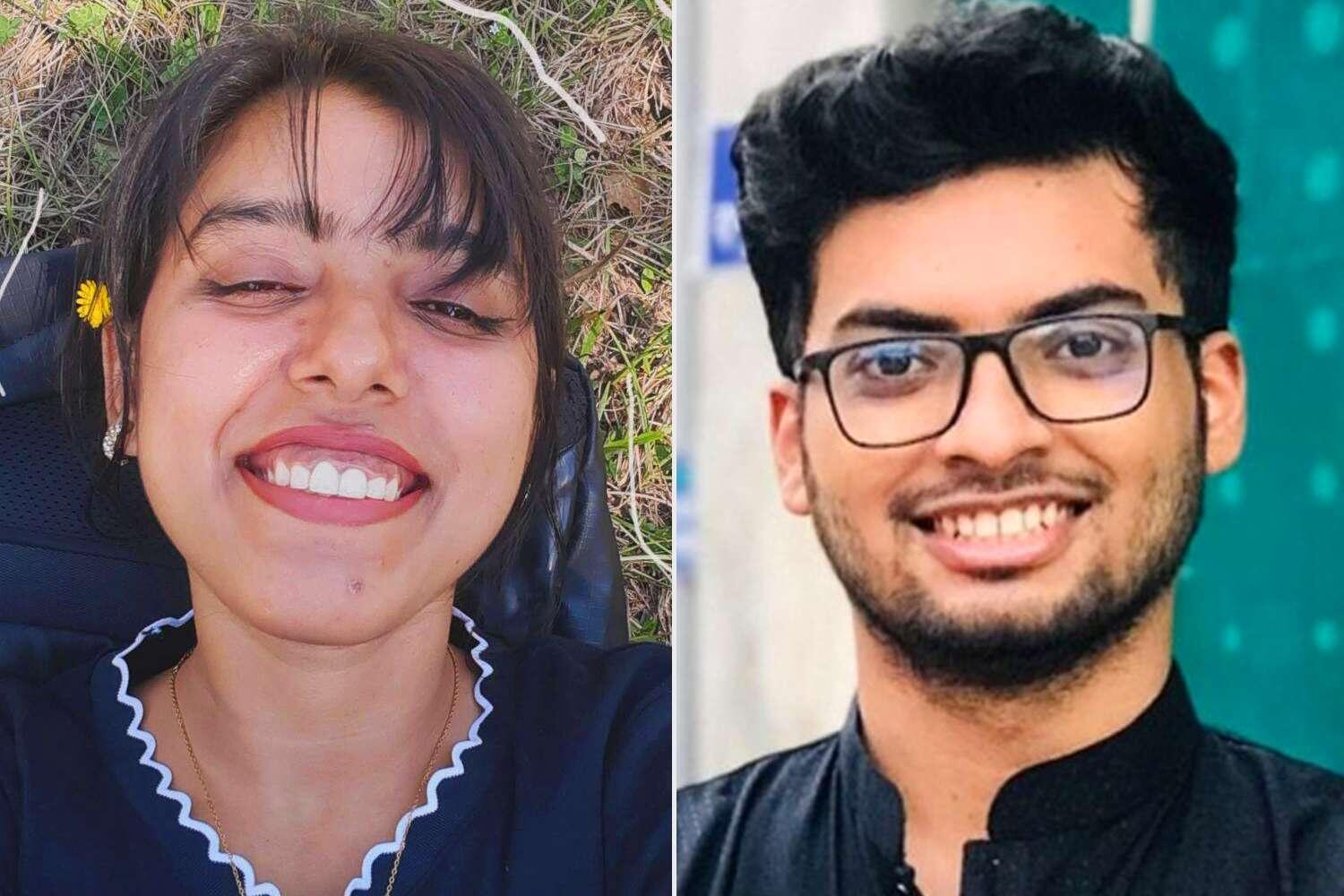
Zamil Limon, 27, and Nahida Bristy (also known as Nahida Sultana Bristy), 27, both Bangladeshi nationals pursuing PhDs at USF, disappeared around April 16, 2026. Limon studied geography and environmental science policy; Bristy was in chemical engineering. They were described by friends and family as close, possibly considering marriage, and dedicated scholars building futures far from home.
Abugharbieh, 26, a U.S.-born citizen and Limon’s roommate at the Avalon Heights off-campus complex, became the focus early. He was arrested April 24 after a brief standoff at a family residence, initially on charges related to body disposal and tampering. Prosecutors later added premeditated murder counts for both victims after presenting additional evidence to the State Attorney’s Office. A judge ordered him held without bond, citing the violent nature of the crimes and flight risk. Abugharbieh has prior documented behavioral issues, including a 2023 incident involving family violence, delusional statements (claiming to be “God” or the creator of his brother), and a protective order obtained by his sibling.
Limon’s remains, showing multiple sharp-force injuries, were recovered April 24 near the Howard Frankland Bridge in trash bags. Additional human remains found shortly afterward, along with clothing matching Bristy’s last known attire, led investigators to conclude she was also killed. The Pinellas County Medical Examiner ruled Limon’s death a homicide. Bristy’s remains identification and full autopsy details were still pending in some reports as of early May.
Abugharbieh’s Statements and “Testimony”
References to a “60-minute testimony” or “two-hour account” likely stem from Abugharbieh’s interview with detectives around April 23 or closed-door proceedings. Court filings and news reports indicate he initially denied knowledge of the victims’ whereabouts, claimed they had never been in his car, and provided explanations for injuries (e.g., a finger cut from slicing onions). When confronted with contradictory data—cell phone pings and license plate reader hits—he allegedly changed his story.
Mainstream coverage describes “gaps” in his account rather than a polished “perfect” 60-minute testimony. No publicly released transcript or audio recording from these sessions has surfaced in official channels. Viral Facebook posts claiming a full recording in comments often link to unverified pages or clickbait sites (e.g., tinfilmus.com or metin247.com) that repackage the case with sensational headlines but add little new verifiable information. These posts frequently circulate in non-English communities and encourage viewers to “check the first comment,” a common tactic for engagement farming.
Defense counsel from the public defender’s office has offered limited public comment, consistent with early-stage proceedings. Any formal testimony would be tested later at trial, where cross-examination and rules of evidence apply. Claims that his statement was “perfect” until undone by phone evidence appear exaggerated for dramatic effect.
Evidence from Phones and Digital Forensics
Cell phones and location data have played a central role in building the timeline, but not in the exonerating way viral posts suggest:
Victim phones: Bristy’s pink phone case was recovered in a dumpster search, along with other personal items. Reports mention blood-soaked clothing and belongings in the apartment trash compactor or nearby dumpsters, including Limon’s wallet, glasses, and student ID. Investigators noted both victims’ phones were turned off around the time of disappearance, which they described as unusual. No mainstream reporting confirms explosive new content (e.g., a voice recording, video, or messages) recovered from Bristy’s actual phone that directly contradicts Abugharbieh or implicates someone else.
Abugharbieh’s phone: This device provided significant circumstantial evidence. Location data placed his vehicle and Limon’s phone in Clearwater (Sand Key area) on April 16 evening, consistent with him giving the victims a ride. Early on April 17, his phone data showed movement to the Howard Frankland Bridge area—stopping in southbound lanes around 1:30 a.m. and again northbound shortly after—aligning with the suspected disposal window for Limon’s body. Additional queries and activity on his device include DoorDash orders for cleaning supplies and trash bags delivered to the apartment.
The most publicized digital evidence involves ChatGPT interactions on Abugharbieh’s phone in the days before and after the disappearances. Prosecutors highlighted queries such as:
“What happens if a human is put in a black garbage bag and thrown in a dumpster?” (followed by “How would they find out?” when warned it sounded dangerous).
Questions about changing a vehicle VIN, keeping a gun at home without a license, whether neighbors would hear a gunshot, survival from head wounds, and the meaning of “missing endangered adult.”
He also allegedly ordered duct tape, trash bags, Lysol wipes, Febreze, and other items via Amazon and DoorDash. A fake beard purchase was noted in some filings. These elements support premeditation and consciousness of guilt arguments.
No official documents released by May 1 describe a dramatic audio recording from Bristy’s phone “exposing this lie.” If such evidence existed and favored the defense, it would likely be highlighted in bond hearings or motions; instead, the pretrial detention report emphasizes the cumulative digital trail, blood evidence (including Bristy’s DNA on a kitchen mat in the shared apartment where she did not live), and physical inconsistencies in Abugharbieh’s statements.
Physical Evidence: Blood, Belongings, and Disposal
Forensic details strengthen the prosecution’s narrative:
Significant blood in the apartment, particularly in Abugharbieh’s bedroom with “human-sized” patterns.
Bristy’s purse, USF ID, sneakers, and umbrella (matching surveillance footage) found in Limon’s bedroom.
Blood-positive duct tape and a black cushion floor mat in dumpsters.
DNA links tying both victims to the scene and discarded items.
Abugharbieh allegedly gave the victims a ride, cleaned the scene, and disposed of bodies and evidence. Investigators used phone pings, license plate readers, and vehicle data to reconstruct movements. Claims of a single phone recording overturning this appear unsubstantiated.
Why Sensational Claims Spread
High-profile cases involving international students, cross-cultural elements, and gruesome details often spawn conspiracy-tinged narratives on social media. Posts promising “the deceiver’s scheme crumbles” or “the recording exposing this lie” drive clicks and shares but frequently lack sourcing to court filings or law enforcement. Previous “jacket pocket” claims followed a similar pattern—dramatic but unverified by official releases. Such content may originate from true-crime pages seeking engagement or community discussions processing grief and shock.
Reputable outlets (Washington Post, CNN, Tampa Bay Times, Court TV) focus on ChatGPT queries, blood evidence, timeline inconsistencies, and prior behavioral red flags rather than a pivotal phone recording. The investigation involved coordination between Hillsborough and Pinellas authorities, with continued searches for additional evidence.
Broader Implications and Next Steps
The case has prompted discussions at USF about off-campus housing safety, roommate vetting, mental health support for students (including international ones), and warning signs that families say were missed. Limon’s family reportedly filed a complaint about Abugharbieh roughly two weeks before the incident, citing his behavior and prior record. Abugharbieh’s own family expressed shame and has cooperated to some extent.
Abugharbieh remains in custody without bond. The case will move through discovery, where full forensic reports (including any data from recovered phones), medical examiner findings, and potential expert testimony on digital evidence will be scrutinized. Defense attorneys may challenge the admissibility or interpretation of ChatGPT logs, statements, or location data. A trial, if it occurs, will test the cumulative strength of the evidence under legal standards.
For the victims’ families and the USF community, the focus remains on accountability through the justice system. Zamil Limon and Nahida Bristy represented the hopes of many scholars—rigorous research, community, and opportunity abroad. Their deaths highlight vulnerabilities in shared housing and the importance of addressing behavioral concerns promptly.
Conclusion: Evidence vs. Viral Narratives
The claim that “Hisham Abugharbieh thought his 60-minute testimony was perfect, until police found evidence on Nahida Bristy’s phone” fits a pattern of sensational framing that overstates unverified details while downplaying the documented trail: premeditated digital searches, physical blood evidence linking a non-resident victim to the apartment, inconsistent statements when confronted with location data, and suspicious purchases and disposal methods.
As of the latest available information in early May 2026, no official release confirms a transformative recording or phone content that exonerates Abugharbieh or reveals an alternative perpetrator. The investigation’s strength lies in the convergence of multiple independent data points rather than a single dramatic reveal. Viral posts urging readers to “check the first comment” for exposing audio should be approached with skepticism until corroborated by court records or law enforcement.
Justice in this case will depend on evidence tested in court—not social media bombshells. The families of Limon and Bristy deserve a process grounded in facts, forensics, and due process. While developments may emerge during discovery or trial, the publicly known record continues to support the charges against Abugharbieh. Speculation about hidden recordings or pocket evidence risks distracting from the verifiable elements that led to his arrest and continued detention.
Để lại một bình luận