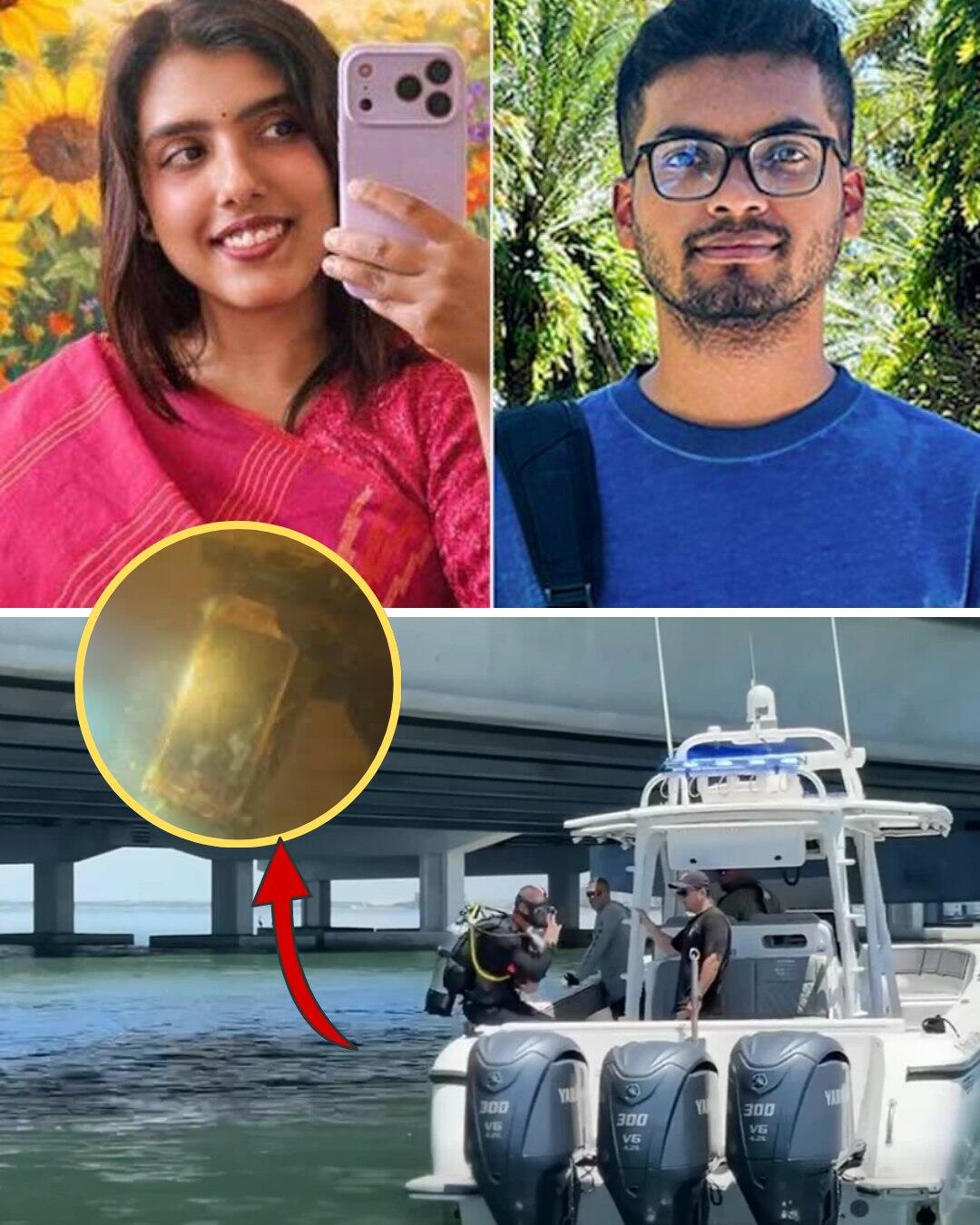
“He told us to ignore it…” — Nahida Bristy’s brother has revealed a gruesome detail in a letter that does not match Hisham Abugharbieh’s account, raising serious questions about the double murder of two University of South Florida doctoral students. The brutal killings of Zamil Limon and Nahida Bristy, both 27-year-old Bangladeshi nationals pursuing advanced degrees, have devastated their families and the Tampa academic community. Hisham Abugharbieh, 26, Limon’s roommate and a former USF student, faces two counts of first-degree premeditated murder with a weapon along with additional charges including tampering with evidence, false imprisonment, and failure to report a death. As investigators release more details from court documents and digital records, inconsistencies in Abugharbieh’s statements have come under intense scrutiny, particularly following revelations from Nahida’s brother that highlight potential discrepancies with physical evidence and communications linked to the crime.
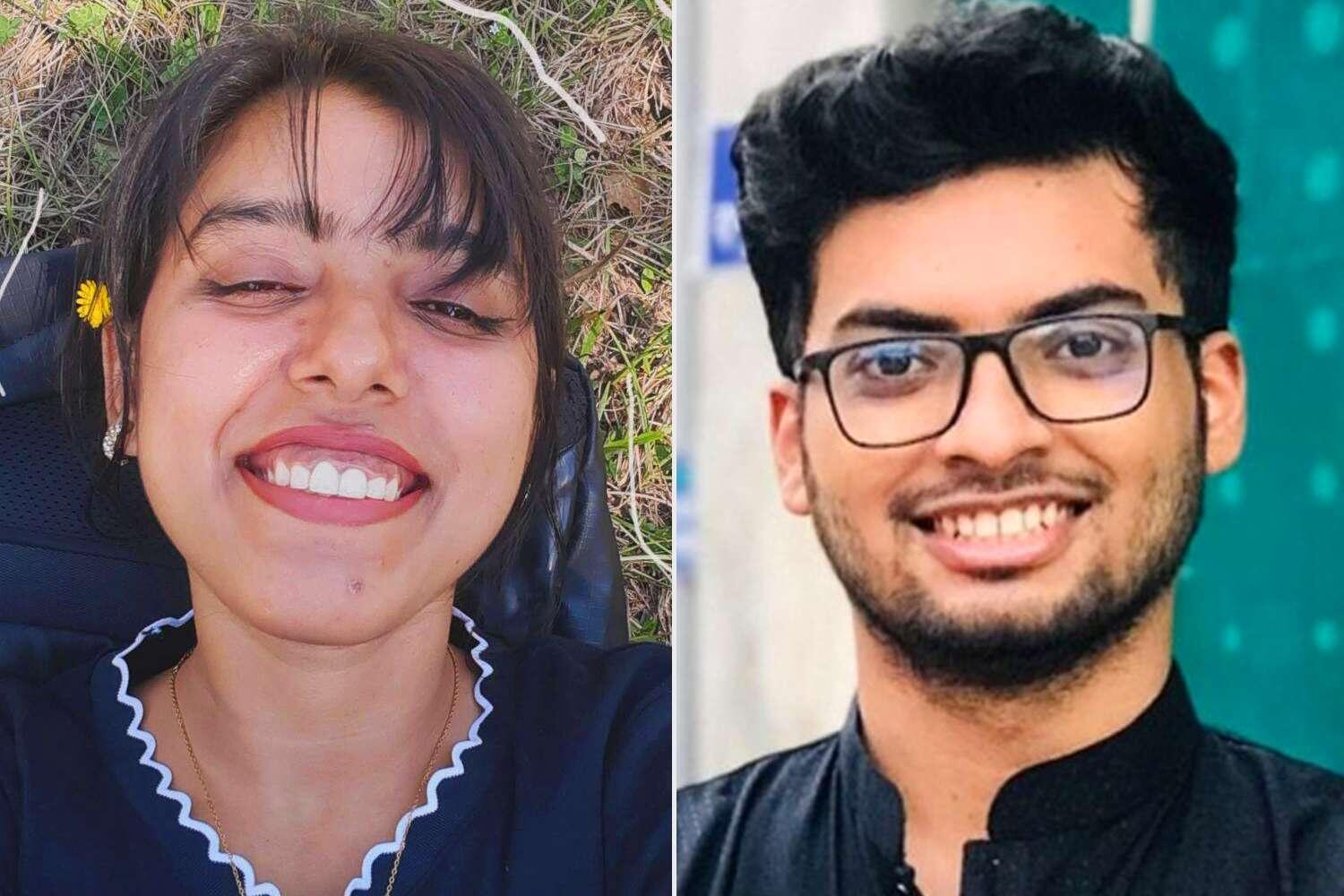
Zamil Limon and Nahida Bristy were last seen on April 16. Bristy had spoken with her parents in Bangladesh that day from her campus laboratory, mentioning everyday plans such as grocery shopping. The couple, who were in a close relationship and focusing on completing their doctoral studies before considering marriage, suddenly stopped responding to messages and calls, which was highly unusual given Bristy’s habit of daily contact with her family. Friends reported them missing the following day. Limon’s body was later discovered in black plastic bags on or near the Howard Frankland Bridge spanning Tampa Bay, while Bristy’s remains, also in advanced decomposition inside a garbage bag, were recovered nearby and identified through DNA testing. Both victims suffered multiple stab wounds, and prosecutors believe Abugharbieh killed them, cleaned the scene using supplies he had purchased, and disposed of the bodies in a calculated manner.
Abugharbieh’s digital footprint has proven particularly damning. Court filings indicate that days before the disappearances he ordered duct tape, black trash bags, Lysol wipes, and air fresheners. He allegedly posed disturbing questions to ChatGPT, including inquiries about placing a human body in a garbage bag and throwing it in a dumpster, as well as whether a knife could penetrate a skull and details about water temperatures. After the students were reported missing, he reportedly searched for the meaning of “missing endangered adult.” Location data placed his vehicle and the victims’ phones in Clearwater on April 16, the day they vanished. Initially, Abugharbieh denied any involvement or that the pair had been in his car, but he changed his story when confronted with evidence, claiming he had simply given them a ride. A cut on his finger, which he attributed to slicing onions, also drew investigators’ attention.
Family members on both sides had raised alarms long before the tragedy. Abugharbieh’s younger brother, Ahmad, publicly described Hisham’s history of anger issues and erratic behavior, including incidents where he screamed at night claiming to be God. The family had filed protective orders against him, with one granted in 2023 following a domestic violence episode involving battery. Limon himself had reportedly filed a complaint against his roommate weeks earlier, describing the behavior as unsocial, unpleasant, and psychopathic. Despite these warnings, the situation escalated with fatal consequences. Nahida Bristy’s brother, Zahid Pranto, has spoken emotionally about the family’s devastation in Bangladesh, noting that their mother cries constantly and their father is struggling after recent surgery. The family had been excitedly planning Nahida’s month-long visit home, with tickets already purchased, only for everything to collapse upon news of her death.
Central to the growing questions is the detail shared by Nahida’s brother regarding a letter or note connected to the case. According to reports and family statements, this element contains a gruesome revelation that conflicts directly with Abugharbieh’s accounts given to authorities during interviews. The suspect allegedly told others to “ignore it,” referring to suspicious signs, noises, evidence, or behavior that should have prompted action. This alleged instruction to overlook critical details does not align with the forensic findings, location data, or the timeline prosecutors have constructed. Such inconsistencies have intensified scrutiny over whether prior warnings from roommates and Abugharbieh’s own family were adequately heeded by authorities, potentially allowing a preventable tragedy to unfold.
The University of South Florida and local authorities have expressed condolences while assisting with the return of personal belongings and supporting the victims’ families in accordance with Islamic traditions. The Bangladeshi community both in the United States and abroad has united in grief, calling for justice and broader awareness of mental health and safety issues in shared student housing. Prosecutors describe the killings as cold-blooded and premeditated, though the exact motive remains under investigation. Abugharbieh was arrested following a standoff at his family home and is being held without bond as the case proceeds through the legal system.
For the families, the pain is immeasurable. Zahid Pranto has emphasized that no one should endure such loss, describing the events as unimaginable and expressing a desire for the strongest possible punishment. The brother’s public revelations about the mismatched details in the letter serve as a poignant reminder of the human cost when warning signs are dismissed. As more evidence emerges, the case continues to raise broader societal questions about intervention in cases of known erratic behavior, the responsibilities of housing providers, and the importance of taking threats seriously before lives are lost. The bright futures of two dedicated scholars were extinguished in what authorities portray as a horrific act of violence, leaving behind grieving loved ones who now seek not only justice but also assurance that similar oversights will not occur again in the future. The phrase “he told us to ignore it” echoes as a haunting indictment, underscoring how ignoring danger can lead to irreversible consequences.
Để lại một bình luận