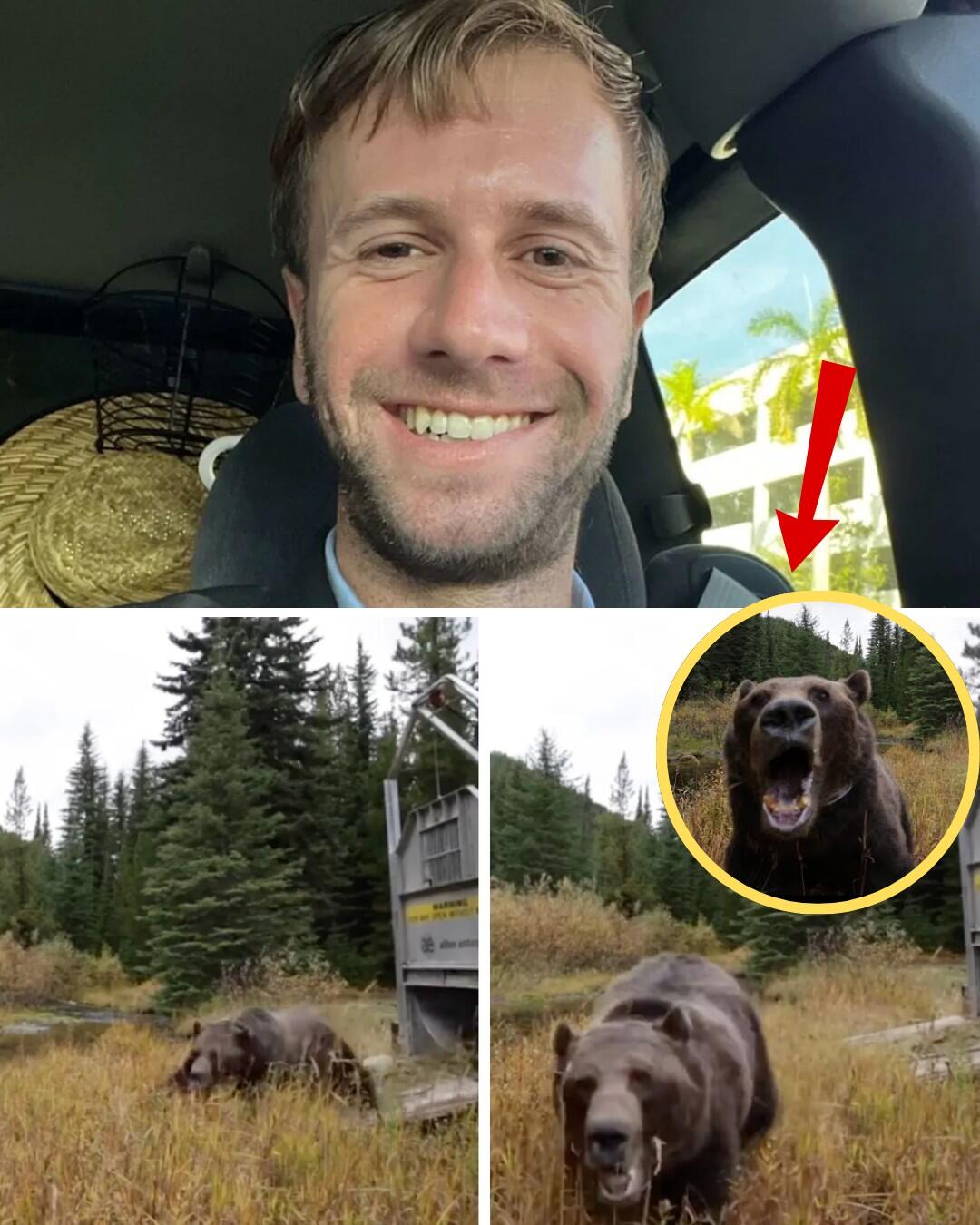
On May 3, 2026, 33-year-old Anthony Pollio set out for what should have been a rewarding solo hike on the Mount Brown Trail in Montana’s Glacier National Park. An experienced outdoorsman, hunter, and Catholic deacon from Davie, Florida, Pollio was no stranger to wild places. He had messaged family and left a heartfelt voicemail for his father during the ascent: “Dad, I’m hiking up a mountain. It’s wild out here. I love you.”
Tragically, he never returned. His body was discovered on May 6, about 2.5 miles up the trail and roughly 50 feet off the path in a densely wooded area with downed timber. Officials confirmed injuries consistent with a bear encounter—the first fatal bear attack in the park since 1998.
While the National Park Service (NPS) has described the incident as a “surprise encounter” and continues its investigation, one piece of evidence has captured public attention: Pollio’s final GPS data from his high-end watch or tracking device. According to reports and widespread online discussion, the data allegedly shows a sudden change in direction, veering deeper into the forest just minutes before the attack. Some speculate he may have heard or sensed something behind him on the trail and attempted to yield or evade.
Reconstructing the Final Hours
Pollio was on a two-week road trip with a friend when he decided to hike alone toward the Mount Brown Fire Lookout near Lake McDonald. His vehicle was later found at Lake McDonald Lodge. He was last heard from around 8:20 p.m. on May 3. Search efforts began after he was reported missing, with personal items located along the trail leading rescuers to the scene.
A can of bear spray was found nearby, with a strong lingering odor reported at the site even days later, suggesting Pollio deployed it in self-defense. His father, Arthur Pollio, told media outlets that evidence pointed to his son using the spray, possibly after being accosted, and that he may have been chased or dragged off the trail.
The GPS detail—widely shared on social media and discussed in videos analyzing the case—adds a layer of intrigue. If accurate, the sudden directional shift deeper into the timber could indicate Pollio was reacting to an immediate threat, such as a bear on or near the trail. Experts note that grizzlies in Glacier often use trails for travel, increasing the chance of surprise encounters, especially at dusk or in areas with poor visibility.
One analysis suggested the movement might show him attempting to yield the trail or move away after a close-range encounter. Whether he was dragged by the bear or left the path voluntarily remains under review. The watch reportedly showed a “blackout gap” or stopped tracking at one point, while his body was found further along, fueling online theories about the sequence of events.
Who Was Anthony Pollio?
Friends and family described Pollio as “fearless,” smart, educated, and deeply committed to his faith and the outdoors. A University of Central Florida graduate who studied hospitality, he worked in outdoor equipment sales and served as a church deacon. He had extensive hunting experience and had hiked in other national parks like the Everglades and Grand Teton.
“He did more outdoors than most people in their entire life,” his father said. Pollio loved animals, racing, and leadership roles. His final voicemail reflects a man fully present in the moment, embracing the wild beauty that ultimately claimed his life.
Bear Safety in Grizzly Country: Lessons from Tragedy
Glacier National Park is prime grizzly habitat. Officials emphasize that fatal attacks are rare, but encounters happen. Key recommendations include:
Hiking in groups when possible.
Carrying and knowing how to use bear spray (not a firearm substitute in many areas).
Making noise on trails.
Properly storing food and trash.
Avoiding hiking alone at dawn, dusk, or night.
Pollio reportedly carried bear spray and had significant experience, yet a surprise encounter can overwhelm even prepared individuals. The spray’s deployment did not deter the bear in this case, raising questions about wind, distance, concentration, or the animal’s determination—factors experts continue to study.
The trail section has been temporarily closed during the investigation. Park staff monitor wildlife behavior and assess next steps for safety.
Online Speculation and the Search for Answers
Social media has amplified details like the GPS movements, with users piecing together timelines, debating whether Pollio tried to evade a bear approaching from behind or was ambushed. Some posts highlight the “blackout gap” in tracking data, speculating about the exact final miles. While much of this is unconfirmed by officials, it underscores public fascination with reconstructing last moments in wilderness tragedies.
Investigators are analyzing physical evidence, GPS (if available), the bear spray canister, and scene forensics. Determining if it was a defensive (sow with cubs) or predatory encounter matters for park management, though most grizzly attacks on humans are defensive.
Remembering a Life Well-Lived
Anthony Pollio’s death is a stark reminder of nature’s power and the risks inherent in seeking solitude in the wild. His family grieves a son, brother, and deacon who lived boldly. Tributes highlight his faith, kindness, and passion for the outdoors.
In the voicemail to his father, Pollio captured the essence of why people venture into places like Glacier: the wildness, the challenge, the connection to something greater. That spirit endures even in tragedy.
As the NPS investigation proceeds, the focus remains on facts—GPS data, spray evidence, injuries, and bear behavior—rather than speculation. For hikers everywhere, Pollio’s story reinforces core principles: respect the wilderness, prepare thoroughly, and never underestimate its inhabitants.
Glacier National Park continues to draw adventurers, but with renewed awareness. Carry bear spray, stay vigilant, and hike smart. Anthony Pollio did many things right; sometimes, in grizzly country, that is still not enough.
Để lại một bình luận