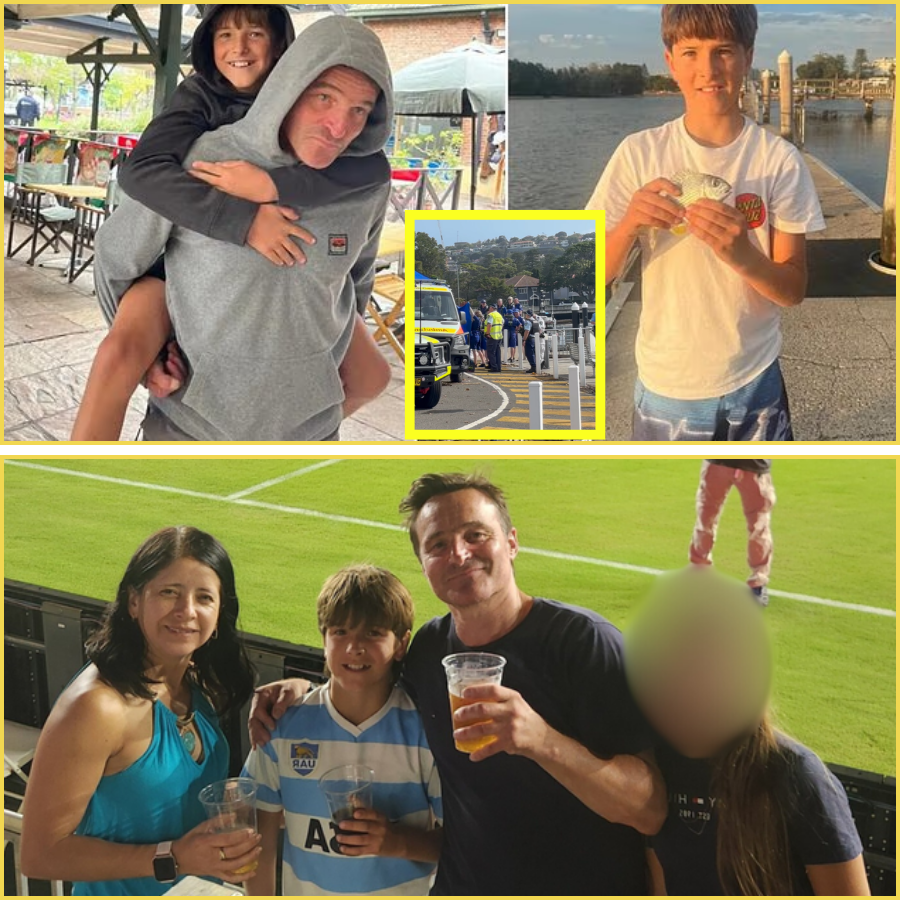
The Flicker of Hope: From Sydney Harbour to the ICU
On what should have been a routine day by the water, 12-year-old Nico Antic was pulled from the depths of Sydney Harbour. The initial reports were harrowing, yet they carried a sliver of the miraculous: he was alive. When he arrived at the hospital, the word “stable” was the lifeline his family clung to.
In medical terms, “stable” doesn’t mean “safe”; it means the patient’s vital signs—heart rate, blood pressure, and oxygen saturation—are not actively deteriorating. For the Antic family, however, it was a bridge to hope. Doctors were cautiously optimistic, and Nico was cleared for surgery to address the immediate physical trauma from the near-drowning.
The Successful Surgery
The surgery went as planned. Surgeons worked to repair the immediate damage, and for a few brief hours, it seemed the worst was over. Hope didn’t just flicker; it began to glow. In the corridors of the Intensive Care Unit (ICU), there was a collective breath of relief.
But in the world of critical care, “stable” can be a mask.
The Turning Point: When Monitors Change
The shift happened in the quiet hours of the night. In an ICU, the silence is governed by the rhythmic “ping” of monitors. When those rhythms change, the atmosphere in the room shifts from controlled vigilance to high-stakes urgency.
For Nico, the monitors began to signal a catastrophic shift. His oxygen levels plummeted despite mechanical ventilation, and his heart rate began to gallop—a sign the body is fighting an invisible enemy. The “frightening complication” the medical team had dreaded was no longer a possibility; it was a reality.
The Silent Killer: Secondary Drowning and ARDS
While the specific clinical details remain private to the family, medical experts often point to Acute Respiratory Distress Syndrome (ARDS) or severe “secondary drowning” effects in these scenarios.
-
Pulmonary Edema: Fluid begins to fill the air sacs in the lungs long after the initial submersion.
-
Inflammatory Cascade: The body’s immune system overreacts to the trauma, causing more damage to the lungs than the water itself.
-
Cerebral Edema: Swelling of the brain can occur as a delayed response to the initial period of oxygen deprivation.
“The cruelty of these cases lies in the ‘lucid interval,’” says one critical care specialist. “A patient appears to be recovering, they are speaking or stable, and then the underlying physiological damage triggers a total systemic collapse.”
Inside the ICU: The Fight for a Life
What happened next inside the ICU is the stuff of every parent’s nightmare. The medical team initiated emergency protocols. Nico was likely placed on ECMO (Extracorporeal Membrane Oxygenation)—a machine that acts as the heart and lungs, pumping and oxygenating a patient’s blood outside the body to allow their own organs to rest.
Despite the intervention of Australia’s top pediatric specialists, the complication was aggressive. The ICU became a battlefield where technology and human expertise fought against a rapidly failing system.
The family, who hours earlier were discussing recovery timelines, were now being asked to say goodbye. The transition from “stable” to “unsurvivable” happened with a speed that has left the Sydney community in a state of shock.
A Nation Shaken: The Aftermath
Australia is a nation defined by its relationship with the water, making Nico’s story feel deeply personal to millions. The tragedy has sparked a national conversation about several critical issues:
1. The Misunderstanding of “Stable”
There is a growing call for better communication between medical professionals and grieving families. When a doctor says a patient is stable, the public hears “improving.” In reality, stability in an ICU is often a fragile plateau before a steep cliff.
2. Water Safety Vigilance
Nico’s case serves as a grim reminder that the dangers of a near-drowning incident do not end once the person is out of the water. The “24-hour observation” period is the most critical window for any victim of submersion.
3. The Trauma of the “Near Miss”
The psychological toll on the first responders and the bystanders who pulled Nico from the harbour is immense. They performed a “heroic” rescue, only to watch the medical outcome turn tragic days later.
The Legacy of Nico Antic
As the news of Nico’s passing spread, memorials began to grow near the site where he was pulled from the water. He is remembered not just as a victim of a tragic accident, but as a vibrant 12-year-old whose life was cut short just as it was beginning.
His story has left Australia shaken because it undermines our sense of security. It tells us that even when we do everything right—even when the rescue is successful, the surgery is a triumph, and the monitors are steady—life can still be snatched away by a hidden complication.
The Antic family’s journey from hope to heartbreak is a stark reminder to cherish every “stable” moment, for we never truly know when the monitors might change.
Để lại một bình luận