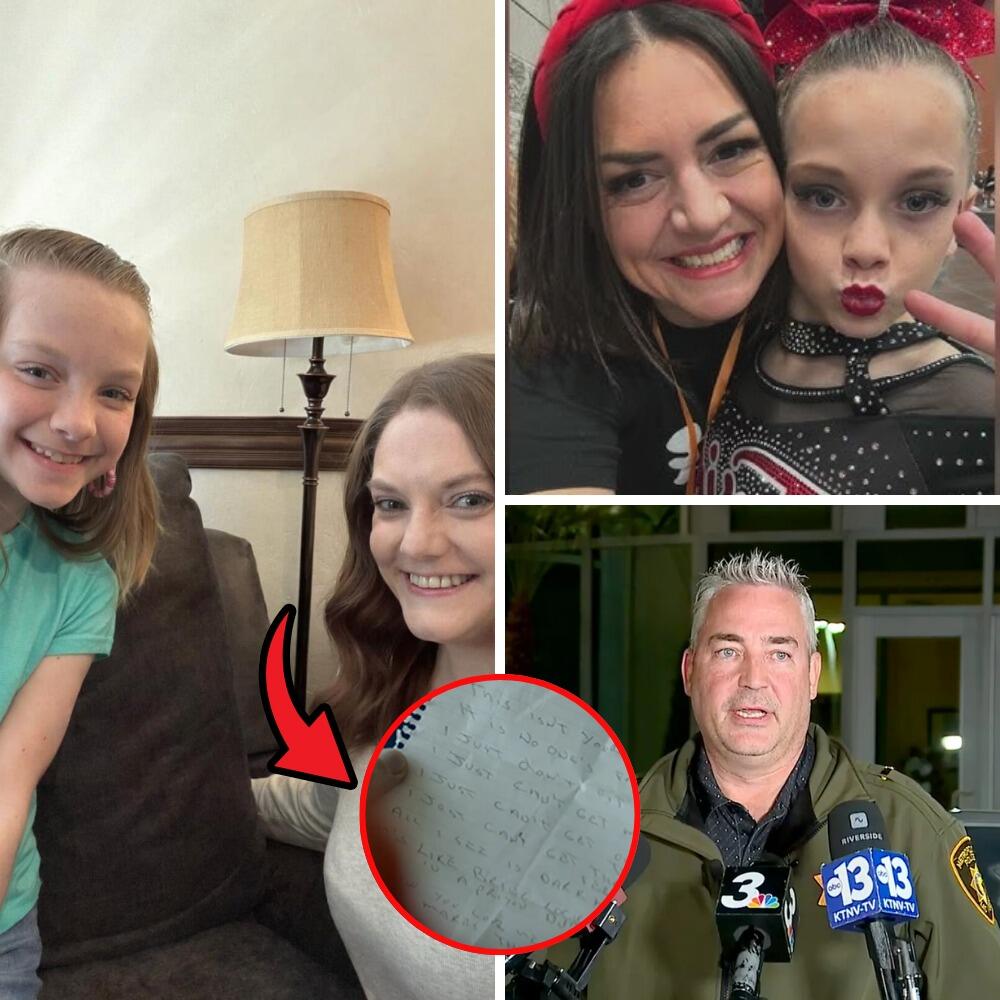
The tragic deaths of Tawnia McGeehan, 38 (also reported as 34 in some records), and her 11-year-old daughter Addilyn “Addi” Smith have cast a long, somber shadow over a nearly decade-long custody battle that defined much of the young girl’s life. What began as a 2015 divorce filing evolved into years of acrimonious legal proceedings in Utah’s 4th District Court in Provo, marked by allegations of parental alienation, domestic abuse concerns, temporary custody shifts, and strict court-imposed protocols for child exchanges—culminating in a joint custody arrangement in 2024 that many hoped would bring stability. Instead, the February 2026 murder-suicide in a Las Vegas hotel room has left family, friends, and the cheer community grappling with profound grief and unanswered questions about how unresolved tensions may have contributed.
The custody saga started when McGeehan filed for divorce from Bradley “Brad” Smith on January 29, 2015. Addi, their only child from the marriage, was a toddler at the time. The divorce was finalized in 2017, with initial temporary orders granting McGeehan primary physical custody while Smith received joint legal custody and scheduled parent time. This setup aimed to provide stability for Addi, but disputes persisted over visitation, child support, school choices, and co-parenting dynamics.
By 2020, the situation escalated dramatically. In a December temporary order, a judge granted Smith sole physical custody on a temporary basis. Court findings cited McGeehan for “committing domestic abuse in the presence of the minor child” and subjecting Addi to “behavior on the spectrum of parental alienation”—actions the judge deemed harmful to the child’s relationship with her father. The ruling expressed serious doubts about McGeehan’s ability to co-parent effectively, noting that Smith appeared to better understand Addi’s physical and emotional needs. As a result, McGeehan’s parent time was restricted to supervised visits, monitored by designated family members or friends.
In 2021, McGeehan sought relief by filing for a temporary restraining order, alleging violations during exchanges—such as claims that Addi’s stepmother was recording handoffs, potentially breaching prior agreements. These filings highlighted the ongoing friction and the detailed rules courts imposed: specific locations for exchanges, limited direct communication between parents, and protocols to minimize conflict in front of Addi.
Despite these challenges, the parties reached a resolution in May 2024. A judge modified the divorce decree, declaring both McGeehan and Smith “fit and proper persons” and awarding joint legal and joint physical custody. The arrangement alternated weeks—one week with McGeehan, the next with Smith—with presumptive decision-making authority granted to McGeehan on major issues like education, healthcare, and religious upbringing. Smith retained the right to challenge decisions judicially if he disagreed. The order included exhaustive guidelines to prevent future disputes, reflecting the court’s hope that the long battle had finally ended.
For Addi, who spent her formative years navigating these shifts, the custody war meant frequent changes in routine, divided time between households, and exposure to parental tension. Friends and family described her as bright, energetic, and deeply passionate about cheerleading—a sport that provided consistency and joy amid the instability. She competed with teams like Utah Xtreme Cheer, where she was remembered as fully committed and full of life.
The 2024 agreement appeared to offer a fresh start. McGeehan’s mother later told media that her daughter had battled depression but seemed to improve after the custody resolution. Yet underlying strains persisted. Reports indicate McGeehan faced “mean” texts and blame from other cheer parents in recent months, including accusations tied to team incidents, adding to her stress in the weeks before the Las Vegas trip.
The family traveled to Las Vegas for a cheer competition in mid-February 2026. Late on February 14, in their room at the Rio Hotel & Casino, McGeehan shot Addi before turning the gun on herself, according to Las Vegas Metropolitan Police Department findings. A note was left in the room, though its contents remain undisclosed. The bodies were discovered Sunday afternoon after missed events prompted welfare checks and public pleas.
No public statements from Brad Smith have detailed his personal reflections, but family members, including Addi’s uncle Greg Smith (a Salem Police Department officer), expressed devastation. A GoFundMe launched by Greg to support funeral expenses and the family described the loss as leaving them in “deep shock and grief,” struggling to process Addi’s sudden, tragic death.
The cheer community mourned deeply. Utah Xtreme Cheer paused practices and shared tributes, calling Addi an irreplaceable athlete whose “cheer was her definition and she lived it fully.” Broader discussions have emerged about the toll of prolonged high-conflict custody battles—on parents’ mental health, children’s well-being, and the need for better support systems in divorce cases involving young kids.
This case underscores how legal resolutions do not always heal emotional wounds. A battle that spanned Addi’s entire childhood—from toddlerhood through her pre-teen years—ended not in peace, but in unimaginable tragedy. As investigations continue and the community grieves, the long shadow of those nine years lingers, a reminder of the human cost when family conflicts remain unresolved at their core.
Để lại một bình luận