
Heartbreaking Tragedy in the Swiss Alps: The Crans-Montana Bar Fire That Claimed 40 Lives
On New Year's Eve 2025, what began as a joyous celebration in the upscale ski resort of Crans-Montana, Switzerland, turned into one of the nation's most devastating disasters. A fire erupted in the basement nightclub of Le Constellation bar shortly after midnight, rapidly engulfing the venue in flames and thick smoke. By January 5, 2026, Swiss authorities confirmed that all 40 victims had been identified, marking the end of a grueling process that highlighted the profound human cost of the tragedy. Among the dead were numerous teenagers, some as young as 14, turning a night of festivity into an unimaginable nightmare for families across Europe.
The fire broke out around 1:30 a.m. on January 1, 2026, as hundreds of revelers—many of them young locals and tourists—rang in the new year. Le Constellation, a popular spot known for its lively atmosphere and no entry fee, had transformed its downstairs area into a dance floor with DJ performances. It was particularly attractive to teenagers and young adults, given Switzerland's legal drinking age of 16 for beer and wine. Preliminary investigations point to sparklers attached to champagne bottles as the likely ignition source. These “fountain candles” were carried aloft in celebration but held too close to the ceiling, which was lined with soundproofing foam that quickly caught fire.
Witnesses described a horrifying “flashover” phenomenon, where the blaze released combustible gases that ignited explosively, spreading flames across the ceiling in seconds. Dense, toxic smoke filled the basement, blinding and choking those inside. Panic ensued as partygoers scrambled for exits. Videos from the night captured the chaos: flames racing overhead while some attempted to extinguish them with limited success, and others fled in terror. Survivor Ebenezer Mehari, 17, recounted to NBC News how he lost four friends and witnessed unimaginable scenes: “Somebody was dying in front of me, and I couldn’t do anything. Her face was so burned it was red.” He was pulled to safety by a stranger but described the ordeal as “hell.”
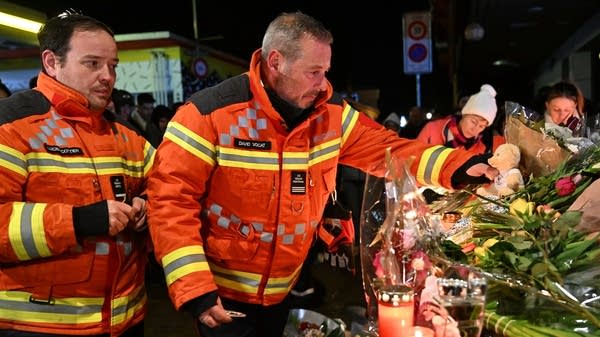
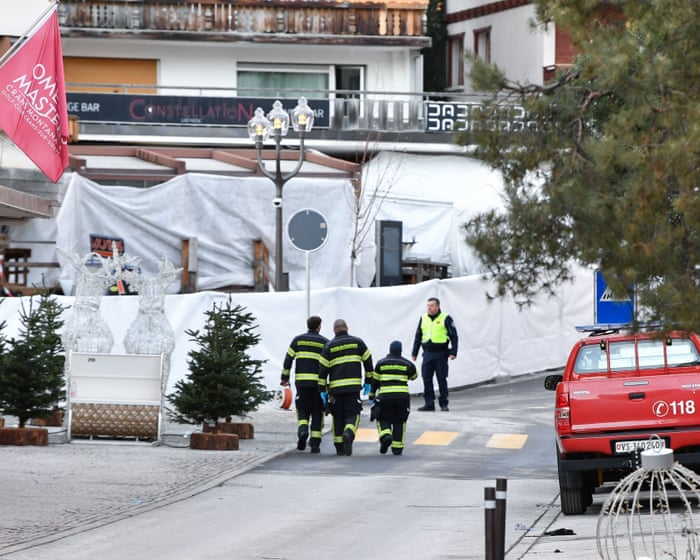
Firefighters arrived swiftly but faced overwhelming challenges. The intensity of the fire and the narrow staircase leading from the basement contributed to blockages at the main exit. Although officials confirmed the building had an emergency exit, many victims appeared to miss it amid the sudden smoke and flames. Captain David Vocat, head of the local fire department, later spoke of the harrowing sight: “You cannot imagine seeing all those young people piled up in the bar, dead.”
The aftermath revealed the fire's ferocity. Forty people perished, and 119 were injured, many with severe burns requiring transfer to specialized units in France, Germany, Italy, Belgium, and beyond. Switzerland's hospitals were quickly overwhelmed, prompting international assistance. The victims hailed from multiple nationalities: 21 Swiss, seven French, six Italian, and others from Romania, Turkey, Portugal, Belgium, and a 15-year-old with French, British, and Israeli citizenship, among them Charlotte Niddam, a former student at schools in the UK.
Identification proved exceptionally difficult due to the advanced degree of burns, destroying facial features and personal documents. Authorities relied heavily on DNA samples, dental records, and the international Disaster Victim Identification (DVI) protocol. Families endured agonizing waits, with parents like Laetitia Brodard-Sitre publicly pleading for news of their children. In one poignant case that captured global attention, investigators described how personal items survived the inferno to aid identification. For one young victim—a teenage girl whose family had reported her missing—parents recognized her remains through a charred bracelet she never removed, a sentimental piece she wore constantly. Investigators called this moment “one of the most difficult” in the case, as it provided heartbreaking confirmation while underscoring the intimacy of the loss. Though authorities withheld specific names out of respect for privacy, such details emerged in reports, illustrating the emotional toll on forensic teams and grieving relatives.


The community of Crans-Montana, a luxurious resort known for its skiing and celebrity visitors, was shattered. Residents spoke of a “close-knit” town forever changed. Makeshift memorials sprang up outside the sealed-off bar, piled with flowers, candles, and messages like “You are all our children.” Hundreds joined silent marches and church services, applauding emergency workers. Swiss President Guy Parmelin called it “one of the worst tragedies” in the country's history, announcing a national day of mourning with church bells ringing and a minute of silence.
Questions swiftly turned to prevention and accountability. Prosecutors opened a criminal investigation into the bar's managers—a French couple—for suspected negligent homicide, bodily harm, and causing fire by negligence. Focus areas include the flammable ceiling material (possibly non-compliant acoustic foam), fire safety inspections, emergency exits, and venue capacity. No prior irregularities were reported in inspections, but experts noted that pyrotechnics like sparklers in enclosed spaces have led to tragic outcomes elsewhere.
As identifications concluded on January 4, families began funerals and tributes. Young victims like Italian golf prodigy Emanuele Galeppini, 17, and others with promising futures—skiers, boxers, artists—left indelible voids. The tragedy's youthfulness amplified the grief: over half the dead were minors, raising concerns about age checks at the venue.
This disaster serves as a stark reminder of how quickly joy can turn to sorrow. In Crans-Montana, amid the pristine Alps, a community mourns lost youth and demands answers. The charred bracelet that confirmed one daughter's fate symbolizes countless personal stories swallowed by the .flames—a small, enduring token amid overwhelming loss