
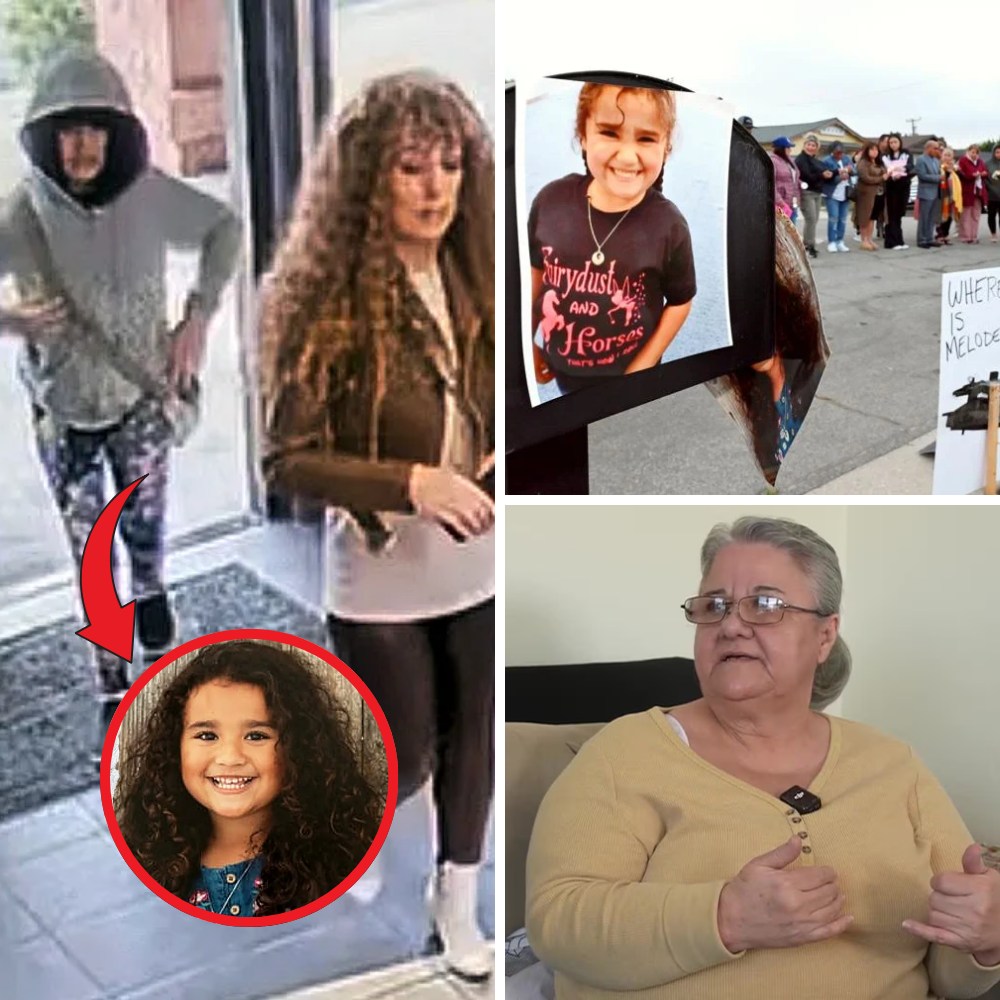
In the tight-knit community of Vandenberg Village, California, where children ride bikes under oak trees and families gather for backyard barbecues, the news hit like a thunderbolt on December 23, 2025. Melodee Elani Buzzard, the 9-year-old girl whose disappearance had haunted the nation for over two months, was no longer missing—she was gone forever. Her decomposed remains, bearing multiple gunshot wounds to the head, had been discovered in a remote Utah desert, and her own mother, Ashlee Buzzard, was arrested for the calculated murder. But amid the shock and outrage, it was the raw, soul-crushing sorrow of Melodee’s paternal grandmother, Lilly Denes, that captured the profound betrayal at the heart of this tragedy. “Oh God,” Denes sobbed uncontrollably when informed by detectives, “she thought it was just a fun trip with Mommy. She was so excited—she bragged to me about going on an adventure far away.”
Melodee was every inch the “little angel” her family described—a spirited third-grader with bouncy curly hair, a contagious giggle, and a passion for drawing fantastical worlds filled with unicorns and magical forests. Born in February 2016, she entered a world already touched by loss when her father, Rubiell “Pinoy” Meza, died in a motorcycle accident just months later. Raised by Ashlee in their modest home on Mars Avenue, Melodee navigated life’s challenges with a resilience that endeared her to everyone. Teachers recalled her eagerness in class, always ready with a story or a helping hand. To Denes, she was the living link to her late son—a daily reminder of joy amid grief. Though Ashlee had isolated Melodee from much of the paternal family after regaining custody in 2021, occasional visits allowed glimpses of the girl’s pure excitement for simple pleasures, like the promised road trip that would become her final journey.
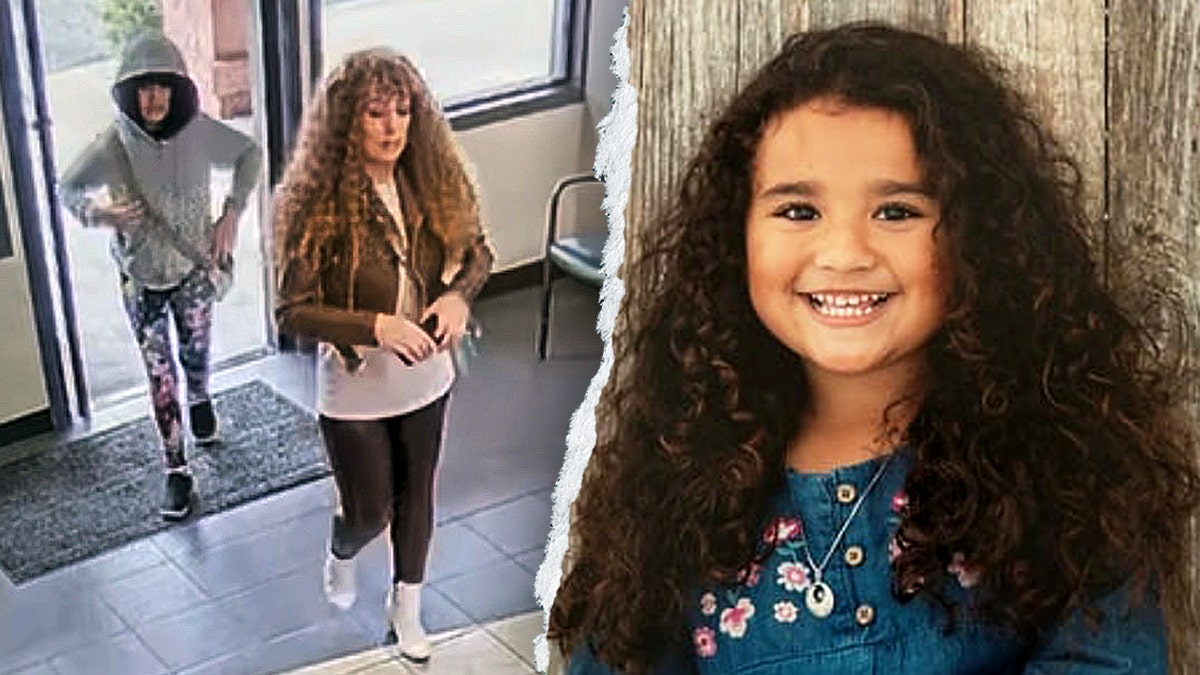
The trip began innocently enough on October 7, 2025, when surveillance footage captured mother and daughter at a Lompoc rental car agency. Ashlee, 40, appeared calm as she secured a white Chevrolet Malibu, but Melodee—hoodie pulled low, sporting what looked like a straight dark wig over her natural curls—seemed thrilled at the prospect of escape from routine. Denes later shared that Melodee had called her days earlier, bubbling with anticipation. “Grandma, Mommy says we’re going on a big trip! Far away, to see new places!” the girl had exclaimed, her voice full of wonder. It was meant to be a bonding adventure, a break from the isolation that had defined much of Melodee’s life since Ashlee’s mental health struggles led to temporary custody loss years prior. Instead, it masked a sinister plan, with Ashlee employing disguises, swapping license plates, and charting a convoluted route through multiple states to evade detection.
The pair’s path wound eastward: Nevada, Arizona, Utah, Wyoming, Nebraska. Cellphone pings and gas station cameras traced their progress, but Melodee’s last confirmed sighting was on October 9 near the Colorado-Utah border. Ashlee returned alone on October 10, resuming daily life without explanation. The disappearance only surfaced on October 14 when a vigilant school administrator from the Lompoc Unified School District reported Melodee’s extended absence. Deputies visited the home; Ashlee offered vague, unverifiable responses, sparking immediate suspicion. As the investigation intensified—with FBI involvement, search warrants on the home, a storage unit, and the rental car—Ashlee remained uncooperative, fueling fears of the worst.
Denes, 75 and already burdened by the loss of her son, became the family’s voice of anguish. In earlier interviews during the search, she revealed Ashlee’s history of severe depression, treated with medication and hospitalization until 2021. Social services had placed Melodee with Denes temporarily to avoid foster care, and adoption proceedings were underway. “We were overjoyed,” Denes recalled tearfully. But upon release, Ashlee reclaimed custody and severed ties, cutting Melodee off from grandparents, half-siblings, and extended family. “She isolated my granddaughter from the entire world,” Denes said, her words laced with regret. Yet, Melodee’s occasional contact brought light—stories of school, dreams of the future, and that fateful excitement about the trip.
Hope flickered through November as tips poured in and vigils lit up Mars Avenue with candles and prayers. Community members released pink balloons—Melodee’s favorite color—while Denes clutched framed photos of her son cradling newborn Melodee, whispering messages of love. “Your daddy is watching from heaven,” she said at one gathering, tears streaming. But underlying worries about Ashlee’s stability persisted, compounded by an unrelated November arrest for false imprisonment that was later dismissed.
The grim discovery came on December 6, when a couple photographing Utah’s stark red rock landscapes off State Route 24 near Caineville stumbled upon remains in a shallow, isolated spot. The small frame and violent trauma—multiple headshots—hinted at a child’s horrific end. Wayne County authorities alerted Santa Barbara investigators, who focused on the return route. Forensic breakthroughs followed: cartridge cases from the scene matched one found in Ashlee’s home, with similar ammunition in the rental car. On December 22, FBI DNA analysis confirmed the unimaginable—familial match to Ashlee, identifying the victim as Melodee.
Early on December 23, agents arrested Ashlee at home without incident. Booked on first-degree murder charges, held without bail, she faces a potential death penalty or life sentence. Sheriff Bill Brown described the act as “cold-blooded” and “criminally sophisticated,” emphasizing premeditation in the evasion tactics and execution. Motive remains unclear amid Ashlee’s silence, but experts point to possible relapsed mental health issues intertwined with isolation and control.
For Denes, the call from detectives shattered her world anew. Collapsing in sobs, she replayed Melodee’s innocent joy about the trip—a child’s trust in her mother turned to terror. “She was so happy, bragging about seeing new places with Mommy,” Denes wept to reporters. “Oh God, how could this happen? My little angel thought it was playtime, an adventure. Now she’s with her daddy, but not like this—not like this.” The grandmother’s breakdown, captured in emotional interviews, resonated nationwide, symbolizing the ultimate parental betrayal.
Siblings and extended family echoed the devastation. Half-sister Corinna Meza spoke of stolen futures, while maternal relatives remained silent amid strained ties. Vigils swelled, communities mourning a girl who deserved protection, not peril. Child welfare advocates highlighted systemic gaps: post-hospitalization monitoring, custody oversight for high-risk parents.
As Christmas Eve dawned somberly, Denes issued a plea through tears: “Justice for my angel. She trusted her mommy with everything. Hold Ashlee accountable—let the courts see the monster behind the disguise.” Funeral plans emerge, pink themes honoring Melodee’s spirit. In Lompoc and beyond, her story warns of hidden darkness, urging vigilance for vulnerable children.
Melodee Buzzard, excited for a simple getaway, became a symbol of innocence lost. Her grandmother’s cries pierce the holiday silence, demanding remembrance and reform. In the vast Utah wilderness where her light faded, may justice bring some peace to a family forever broken.