
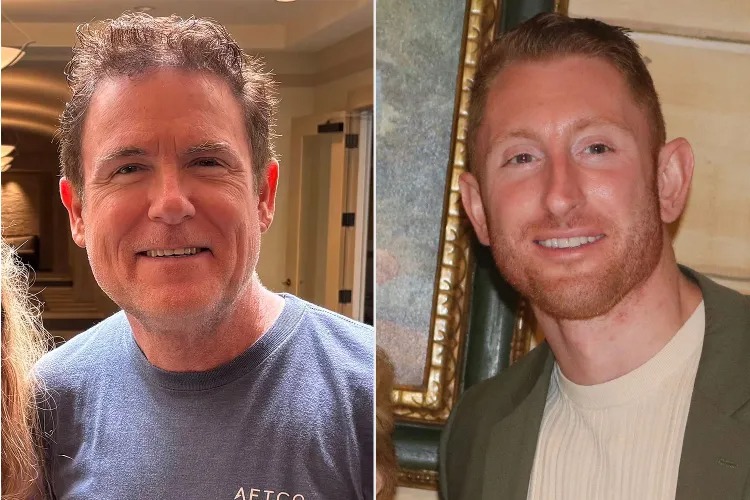
Unfounded Rumors Surround Tragic Disappearance of Attorneys Randall Spivey and Brandon Billmaier in Gulf of Mexico
On Christmas Day 2025, the families of Randall “Randy” Spivey, 57, and his nephew Brandon Billmaier, 33, face a holiday marked by profound sorrow and lingering questions. The two Florida attorneys remain missing following a deep-sea fishing trip that began on December 19, with no new developments reported since the U.S. Coast Guard suspended its active search on December 22. Recent online claims suggesting local fishermen have warned of “a lot of sharks” in the area and that authorities made a “shocking decision” related to safety appear to stem from misinformation, as no credible news sources corroborate these specifics tied to the case.
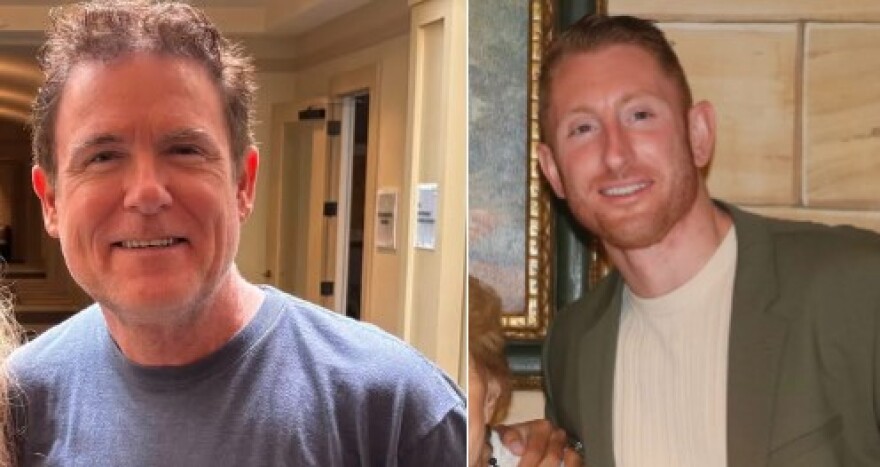
Randall Spivey, founder of the Spivey Law Firm in Fort Myers and a respected personal injury attorney with over 30 years of experience, was known for his dedication to clients and his passion for fishing. Described by friends as meticulous and safety-conscious, he often took to the waters of the Gulf of Mexico. His nephew, Brandon Billmaier, a trial attorney at the Shiner Law Group in Boca Raton since 2023, shared that enthusiasm. Recently married, Billmaier was portrayed by loved ones as a devoted family man and a “light in this world.” The uncle-nephew duo set out early from Spivey's home dock in Iona aboard the 42-foot Freeman catamaran “Unstopp-A-Bull,” equipped with advanced navigation and quadruple engines, planning a day of bottom fishing roughly 70-100 miles offshore.
When the men failed to return or communicate by evening, families raised the alarm around 9 p.m. on December 19. Deborah Billmaier, Brandon's wife, recounted receiving a loving morning text from her husband, expressing excitement for the trip and anticipation of returning that night. Tricia Spivey, Randall's wife, echoed the growing panic as hours passed without word.
Early on December 20, a Coast Guard helicopter located the vessel adrift about 70 miles west of Fort Myers, near Marco Island. The boat was upright, engines running and in gear, with no apparent damage—but unoccupied. Two life jackets were missing, providing initial optimism that the men had donned them and might be afloat. The unregistered Emergency Position Indicating Radio Beacon (EPIRB) explained the absence of a distress signal.
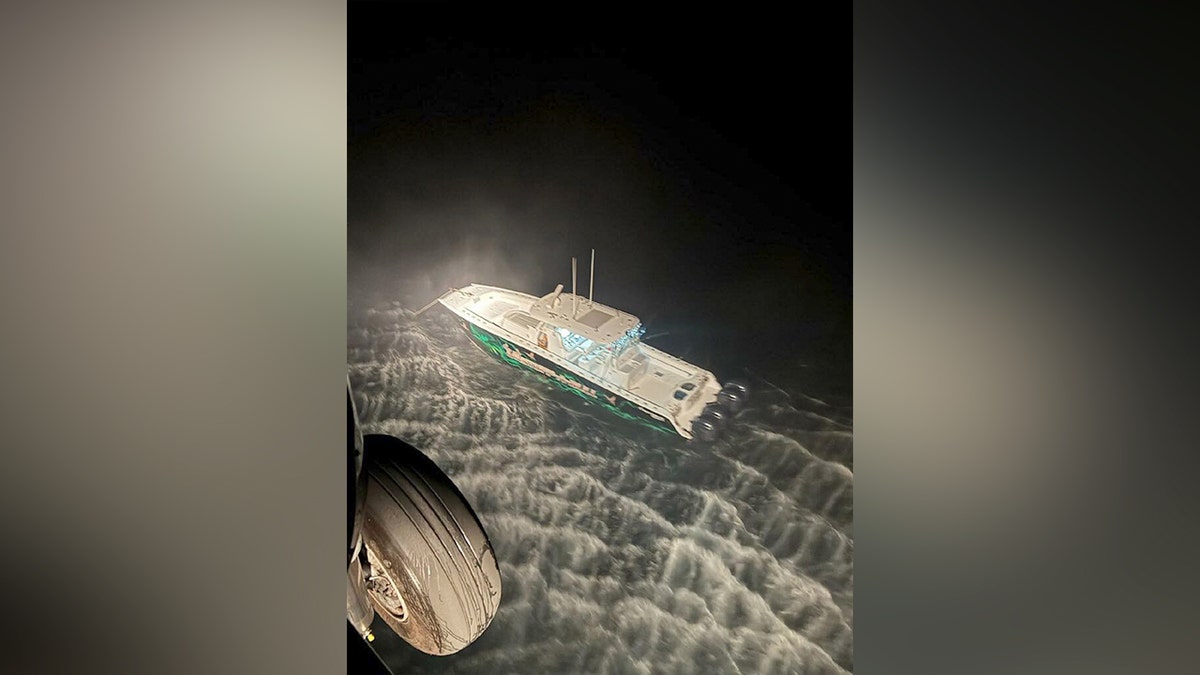

The find triggered an unprecedented response: one of Southwest Florida's largest search operations. Coast Guard assets from multiple stations, including helicopters, cutters, and aircraft, scoured vast areas alongside the Lee County Sheriff's Office and civilian volunteers. Hundreds of private boaters and pilots coordinated via social media, covering over 6,700 square nautical miles—an expanse larger than Connecticut. Community members postponed holiday plans to assist, reflecting the men's positive impact as advocates for the injured.
Despite calm weather on December 19 and exhaustive efforts, no trace was found. At sunset on December 22, the Coast Guard suspended operations, a decision rooted in resource allocation and rescuer safety after determining that surface survivors would likely have been spotted. Captain Jason Sergent praised the collaboration while offering condolences. The families responded with grace in a joint statement: “Randy and Brandon would never want anyone else to put their life in danger.” They expressed unwavering confidence in the search's thoroughness, noting the men's own prioritization of safety.
The investigation shifted to the FBI, standard for unexplained maritime disappearances, to leverage forensic expertise on the towed vessel. No indications of foul play have emerged, with experts leaning toward a sudden accident—possibly one man overboard during fishing, followed by a rescue attempt gone awry, leading both into strong Gulf currents.
The Gulf of Mexico is home to various shark species, including bull sharks, tiger sharks, and occasionally great whites, particularly in deeper offshore waters.
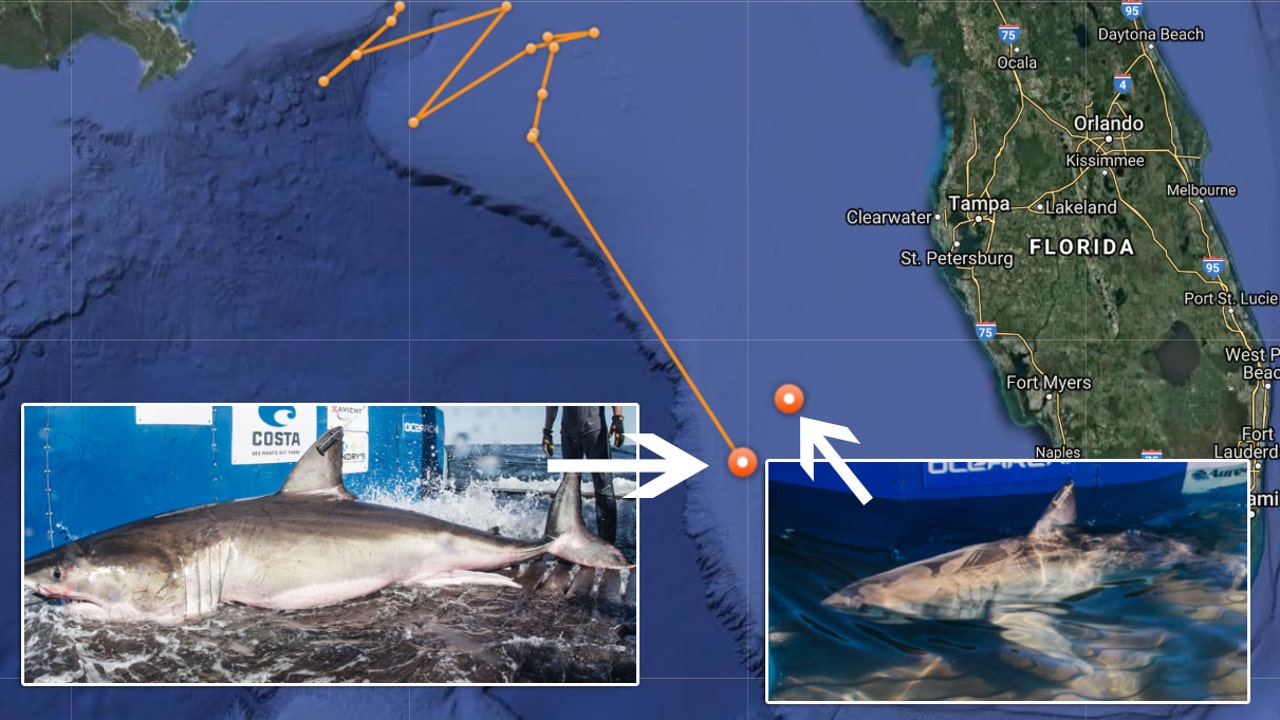
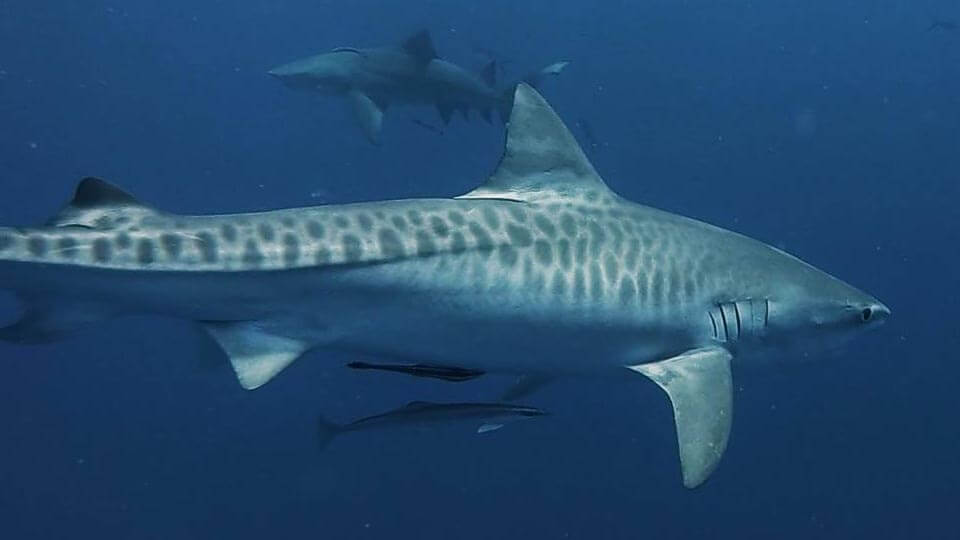
Fishermen routinely encounter them, and while attacks are rare, the presence of sharks is a known risk in prolonged water exposure, especially if blood or distress is involved. However, no reports link specific shark sightings or concerns directly to this incident or the search suspension. The “shocking decision” likely refers to the difficult but protocol-driven choice to end active rescue, prioritizing the safety of search teams amid diminishing odds of survival after days in cooler December waters (around 70°F, risking hypothermia).
On Christmas Eve, Deborah Billmaier shared hopes for a “miracle” in interviews, finding comfort in her husband's final hours spent pursuing his passion with family. The Shiner Law Group reiterated calls for prayers. Friends like Paul Rocuant, who knew Spivey for decades, vowed ongoing vigilance.
This case exemplifies the Gulf's dual nature: a bountiful fishing ground that can swiftly become perilous due to currents, weather shifts, or unforeseen mishaps—even for seasoned boaters on high-tech vessels. It reinforces the value of registered EPIRBs, personal beacons, and strict safety measures.
The FBI leads the ongoing probe, urging credible tips while cautioning against unverified rumors that could distress families further. As Southwest Florida mourns two compassionate legal professionals and cherished family members, the community stands united, awaiting answers in a mystery attributed, for now, to the sea's unforgiving realities.
FBI Takes Over Investigation Following Search For Missing Florida Boaters
Photo: zim286 / iStock / Getty Images