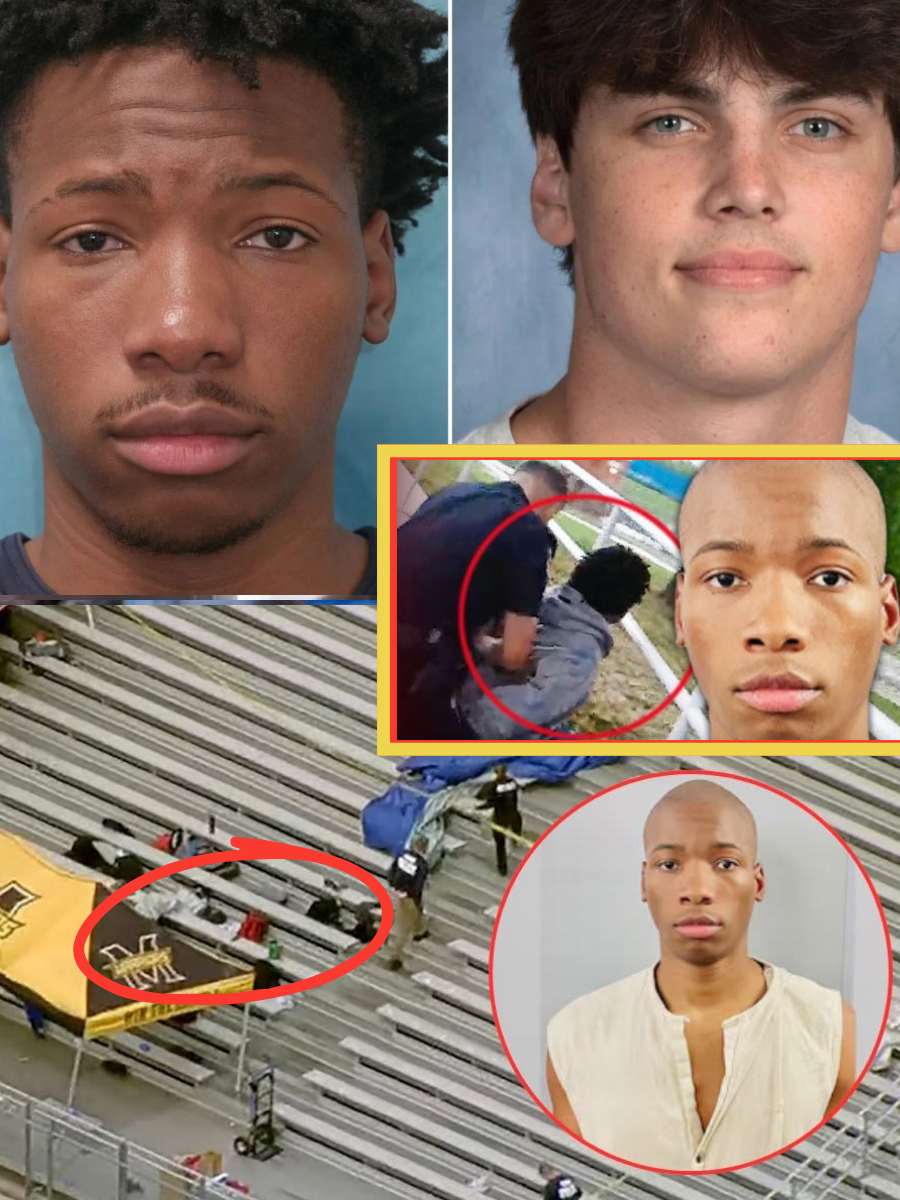
NEWLY RELEASED VIDEO REOPENS PUBLIC OUTRAGE IN THE KARMELO ANTHONY CASE — BUT THE LEGAL FIGHT IS NOW MOVING TO APPEAL
The courtroom trial is over.
But the public reaction is not.
After Karmelo Anthony was convicted of murder and sentenced to 35 years in prison for the fatal stabbing of 17-year-old Austin Metcalf at a Frisco, Texas track meet, newly released evidence has pushed the case back into the national conversation.
For the first time, the public is now seeing some of the evidence jurors saw during trial.
Collin County released 911 calls, surveillance footage, police bodycam video, crime scene photos, and images of the knife prosecutors said was used in the fatal stabbing. Because cameras were not allowed inside the courtroom, this release has become the public’s clearest look yet at the moments surrounding the tragedy.
But it does not mean the trial has been reopened.
It means the evidence shown in court is now being seen outside the courtroom.
The surveillance footage reportedly shows the chaotic aftermath at the stadium: Anthony leaving the tent area, running along the track, tripping, then continuing away as others reacted to the stabbing. Bodycam footage captured officers detaining Anthony moments later. In one of the most discussed lines from the case, Anthony reportedly said, “I’m not alleged, I did it,” while also insisting that Austin had put his hands on him.
That line became central to the debate.
Anthony’s defense argued self-defense.
Prosecutors argued murder.
The jury rejected the self-defense claim.
Now, with Anthony filing an appeal, the case enters a different kind of legal fight. His lawyers may challenge trial rulings, jury issues, or whether the proceedings were fair. But an appeal is not a new trial unless a higher court orders one.
For Austin Metcalf’s family, the release of the videos and calls has reopened the pain of the day they lost him.
For Anthony’s supporters, the footage will likely become part of the argument that the case deserves another review.
For the public, the evidence has made one thing clear:
The trial may have ended with a 35-year sentence.
But the fight over what happened under that tent — and what the jury should have believed — is far from over.
Để lại một bình luận