The comprehensive release of the final forensic examination results by the Maldivian Ministry of Health, in direct coordination with international forensic pathologists from the University of Genoa and hyperbaric medical specialists from Divers Alert Network (DAN) Europe, has brought a definitive and somber conclusion to the investigation surrounding the Devana Kandu cave tragedy. The publication of these highly detailed medical and technical findings has completely dismantled the predatory, sensationalized internet rumors claiming that a cryptic five-word message was discovered or that the divers met an unnatural, conspiratorial end. Instead, the multi-page scientific document outlines a precise, heartbreaking reality governed strictly by the unforgiving laws of underwater physiology and physics.
The joint forensic task force utilized advanced digital forensics to sync the internal data logs of the recovered dive computers with the post-mortem examinations of the victims: Monica Montefalcone, Giorgia Sommacal, Federico Gualtieri, Muriel Oddenino, and Gianluca Benedetti. The medical examinations definitively concluded that the sole cause of death for all five Italian tourists was acute asphyxiation resulting from complete gas depletion within an overhead environment. The pathological evidence showed absolutely no signs of external physical trauma, defensive wounds, or secondary environmental injuries, entirely ruling out any malicious foul play, structural collapses, or attacks by marine life within the cavern.
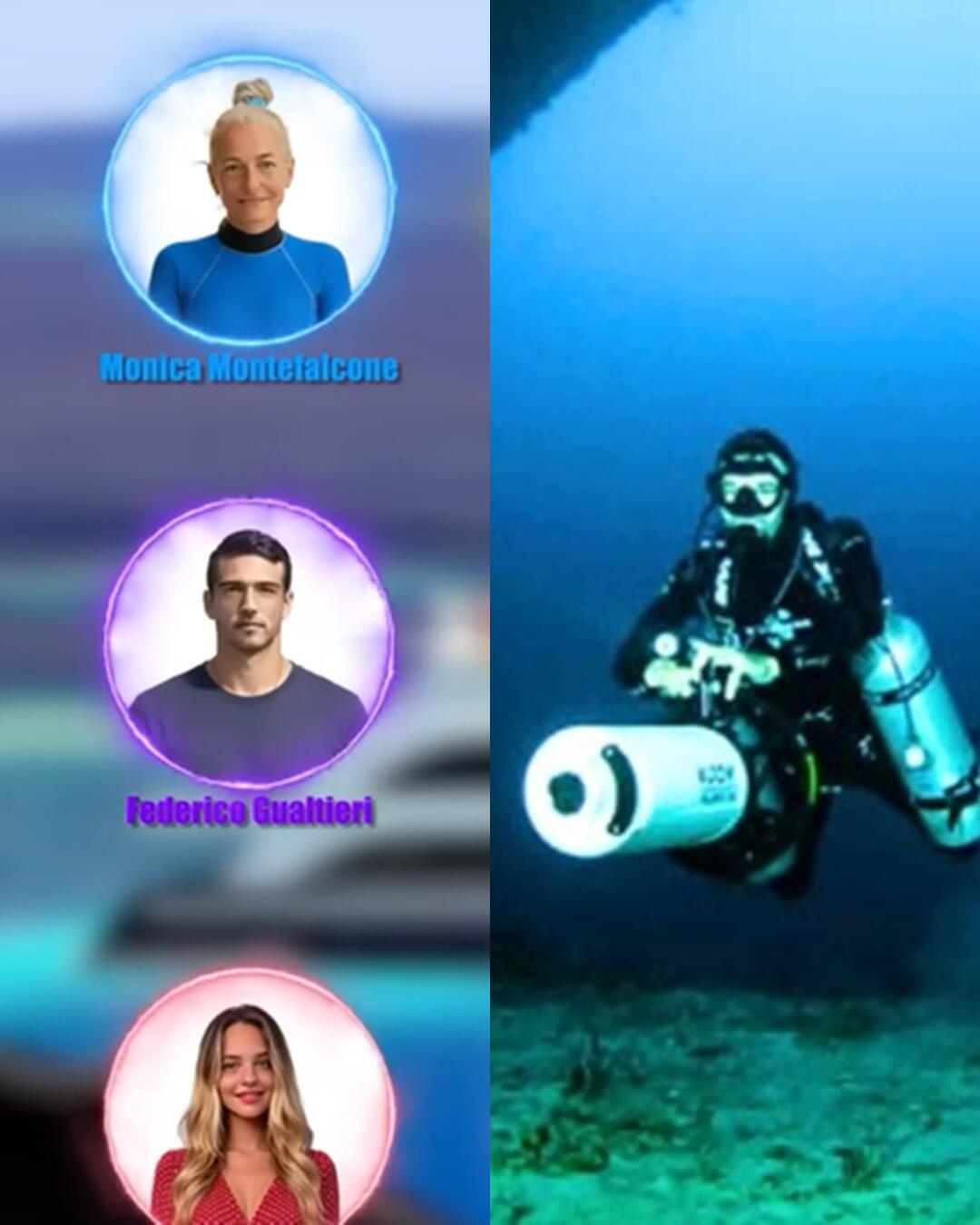
According to the official timeline reconstructed by investigators, the tragedy was initiated by a series of critical navigation and procedural errors. The group had bypassed standard Maldivian maritime safety regulations by descending far beyond the strict thirty-meter recreational depth limit, ultimately entering the mouth of a highly complex, submerged cave system located between fifty and fifty-eight meters below the surface. The team continued their descent into the darkness of the cavern, eventually reaching a maximum depth of approximately seventy meters while breathing a standard compressed gas mixture that was entirely unsuited for safe technical diving at that depth.
The forensic report details that at seventy meters, the partial pressure of nitrogen in the divers’ breathing gas would have induced an extreme state of nitrogen narcosis. This physiological condition, often compared to severe alcohol intoxication, severely impairs a diver’s cognitive functions, spatial awareness, reasoning capabilities, and reaction times. While operating under this heavy cognitive deficit, the team penetrated deep into the third chamber of the cave system. As they moved through the confined space, their fins inadvertently disturbed the thick, delicate layer of fine silt and organic sediment that had accumulated on the cavern floor over centuries.
Within seconds, the disturbed sediment created a catastrophic “silt-out” condition, reducing underwater visibility from clear to absolute zero. Completely blinded in the pitch-black environment, disoriented by severe gas narcosis, and lacking a continuous physical guidelines—such as a cave diver’s reel—the group lost all sense of direction. The dive computer data logs indicate that the team attempted to retreat, but due to the total lack of visual references and impaired judgment, they mistakenly swam into a narrow, blind side tunnel branching off to the left of the main exit route, wedging themselves into a dead-end pocket of the rock formation.
The final thirty minutes recorded by the electronic depth logs paint a harrowing picture of human panic under extreme environmental stress. Upon realizing they were trapped in a dead-end corridor with zero visibility, the divers’ heart rates and respiration levels surged exponentially. Under normal, calm conditions, a recreational diver consumes a predictable amount of gas; however, the forensic lung-volume analysis and pressure cylinder data showed that the victims’ breathing rates spiked to more than triple their baseline consumption. This rapid, panicked hyperventilation depleted their remaining standard twelve-liter cylinders at an uncontrollable rate.
The digital log files show that the divers’ air pressures plummeted to zero in rapid succession over a span of just a few minutes, leading to immediate unconsciousness and subsequent suffocation deep within the rock. The forensic examination of the local military rescue diver, Ali Mahudhee, who tragically perished two days later during the initial recovery operation, also confirmed a death rooted entirely in physiological failure. Operating under intense pressure to retrieve the tourists, Mahudhee suffered from severe decompression sickness and acute gas toxicity while diving on regular air at extreme depths, failing to survive despite rapid evacuation to a hyperbaric recompression chamber in Malé.
By presenting these unvarnished, data-driven scientific facts, the Maldivian authorities and international investigators have aimed to permanently silence the deceptive clickbait headlines that continue to exploit this human tragedy for social media engagement and algorithm manipulation. The final, comprehensive report has been submitted to the Rome Public Prosecutor’s Office to assist in the ongoing international manslaughter inquiry regarding the operational decisions of the liveaboard cruise ship Duke of York. For the global diving community, the verified forensic reality of the Devana Kandu disaster stands as a stark, unforgettable warning regarding the absolute necessity of strict depth limits, specialized overhead environment training, and the fatal consequences of mismanaging gas supplies in the deep ocean.
Để lại một bình luận